

Table of Contents
- What Makes a Microbrand Watch Different From Luxury Brands
- The Real Value Proposition of Microbrand Watches
- RGM Watches vs Independent Microbrands: What Actually Sets Them Apart
- Microbrand Watch Resale Value: What the Secondary Market Actually Shows
- Best Microbrand Watches Under $1000: Entry Points for Collectors
- The Crowdfunding and Liquidity Risks You Need to Know
- Should You Buy a Microbrand Watch for Investment
Last Updated: August 20, 2026
What Makes a Microbrand Watch Different From Luxury Brands
A microbrand watch is a timepiece created by an independent manufacturer operating outside the traditional luxury conglomerate system, typically producing limited quantities with custom-engineered movements and distinctive design philosophies. Unlike established luxury brands that rely on heritage and marketing scale, microbrands emphasize direct relationships with customers, transparent sourcing, and hand-finished horological craftsmanship.
The distinction matters when evaluating whether are microbrand watches good investments. Luxury brands like Rolex or Omega build value through decades of brand recognition, global distribution networks, and proven secondary market demand. Microbrands build value through scarcity, mechanical innovation, and collector community enthusiasm. One operates on institutional reputation; the other on authentic craftsmanship and direct access to the maker.
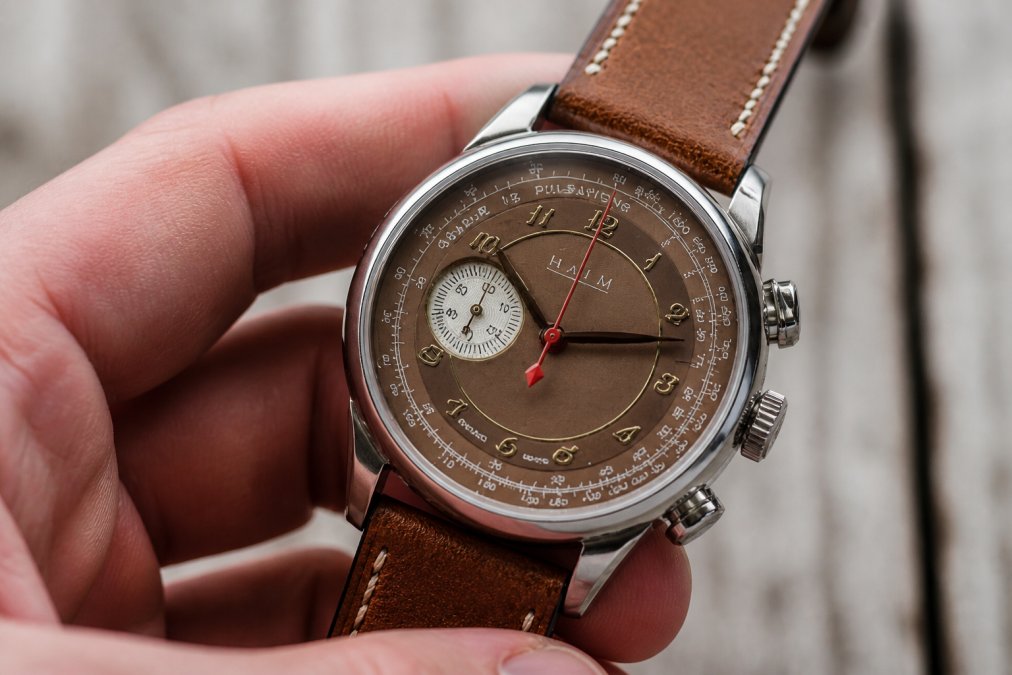
Consider the fundamental difference in production philosophy. A luxury brand manufactures thousands of units annually across multiple models. A microbrand like Haim Watch Company releases limited runs, sometimes 30 pieces per model, individually numbered on the caseback. This scarcity creates a different investment dynamic. Where a Rolex Submariner gains value through waiting lists and brand momentum, a microbrand watch gains value through collector recognition and the secondary market's discovery of undervalued horological quality.
The build quality proposition also diverges. Microbrands often feature hand-finished cases, custom-designed calibers, and ornate dial decoration that punch well above their price point. The Haim Watch Company Legacy Automatic, for example, combines 100% US assembly with a custom movement, specifications that would command significantly higher prices from established manufacturers. This spec-to-price ratio is where many collectors find value, but it's also where the investment risk concentrates. A luxury brand's premium is justified by institutional demand; a microbrand's premium depends on whether collectors will eventually agree the craftsmanship deserves it.

The Real Value Proposition of Microbrand Watches
The value proposition of microbrand watches centers on accessibility to horological sophistication without the institutional markup. For under $2,000, a collector can own a watch with a custom-designed automatic caliber, hand-finished case work, and limited production numbers that rival the mechanical quality of watches costing three times as much.
This matters because the entry point to legitimate luxury horology traditionally required substantial capital. A Patek Philippe entry-level piece starts around $35,000. A Jaeger-LeCoultre around $15,000. Microbrands democratized access to serious watchmaking. The Haim Watch Company Annum, priced at $2,149.99, features a complete calendar and moonphase complication, mechanical complications that signal genuine horological significance. A collector buying into that price point gets genuine mechanical innovation, not just brand cachet.

The secondary proposition is direct maker relationships. When you purchase a microbrand watch, you're often engaging with the designer or engineer who created it. This transparency, knowing exactly where your watch was assembled, who finished the case, what inspired the dial design, carries value that institutional brands cannot replicate. Haim Watch Company's commitment to Swiss-made movements and 100% US assembly for the Legacy Automatic creates a provenance story that matters to collectors concerned with manufacturing integrity.
The third value driver is design differentiation. Microbrands operate without the constraint of maintaining a brand heritage aesthetic across decades. Each release can explore distinct design languages. The ornate dial designs that characterize Haim watches, reminiscent of galaxies and starlit nights, represent creative freedom that established brands often avoid. Collectors seeking unique aesthetics find more distinctive options in the microbrand space.
However, the value proposition carries a critical caveat: it assumes collector interest will sustain. A beautiful watch with excellent specs is only valuable if a secondary buyer eventually agrees. This is where the investment question becomes complicated.
RGM Watches vs Independent Microbrands: What Actually Sets Them Apart
When evaluating best microbrand watches, the distinction between established microbrand manufacturers and newer independent makers matters significantly for investment potential. RGM Watches, founded in 2003, represents the category's established tier, brands that have proven collector staying power and secondary market liquidity. Independent microbrands, by contrast, are newer entrants testing whether their design and mechanical philosophy will resonate beyond their initial community.
RGM's advantage is demonstrable: they have a 20+ year track record. Collectors know RGM watches hold value because the secondary market has repeatedly proven it. When an RGM watch appears for sale, there's established demand. The brand has built institutional credibility within the horological community through consistent quality and transparent manufacturing.
Independent microbrands lack this historical buffer. They must prove their staying power in real time. Vortic, Lorier, Undone, these are talented makers, but they're still building the collector confidence that translates to secondary market liquidity. A watch is only a good investment if someone will buy it later. Established microbrands have already proven that someone will.
Haim Watch Company occupies an interesting position within this spectrum. The brand combines the design sophistication and limited production philosophy of newer microbrands with a commitment to manufacturing transparency that mirrors established players. The Legacy Automatic's 100% US assembly and custom caliber engineering signal serious horological intent. The limited runs, often 30 pieces per model, create scarcity that independent makers use as their primary value lever.

The practical difference for investment purposes: RGM watches carry lower secondary market risk because demand is proven. Independent microbrands carry higher risk because demand is still being established. However, the higher risk correlates with higher potential upside. An RGM watch might appreciate modestly; a discovery-stage microbrand that gains collector recognition can appreciate significantly.
The key distinction isn't quality, many independent microbrands match or exceed RGM's mechanical standards. It's liquidity and predictability. You can confidently resell an RGM. You're betting on an independent microbrand's future recognition.
Microbrand Watch Resale Value: What the Secondary Market Actually Shows
Evaluating microbrand watch resale value requires separating what collectors hope will happen from what actually happens in secondary market transactions. The data tells a more complex story than marketing suggests.
Established microbrands show depreciation patterns similar to entry-level luxury watches. An RGM watch purchased at retail typically loses 15-25% of its value in the first year, then stabilizes. After three to five years, well-maintained examples often recover that initial depreciation as collector recognition grows. This is not appreciation, it's stabilization after the new-product markdown.
Independent microbrands show steeper depreciation curves. A newly released microbrand watch often depreciates 20-35% within the first 12 months. The reason is straightforward: early buyers pay launch pricing before the secondary market establishes true value. Once listings accumulate on secondary platforms, prices reflect what collectors will actually pay versus what makers initially charged.
The critical variable is collector community maturation. Watches from makers who've built sustained enthusiast followings, where forums actively discuss models, where Instagram posts generate engagement, where collector networks actively seek specific references, show better secondary market performance. Watches from makers with minimal community infrastructure depreciate more severely.
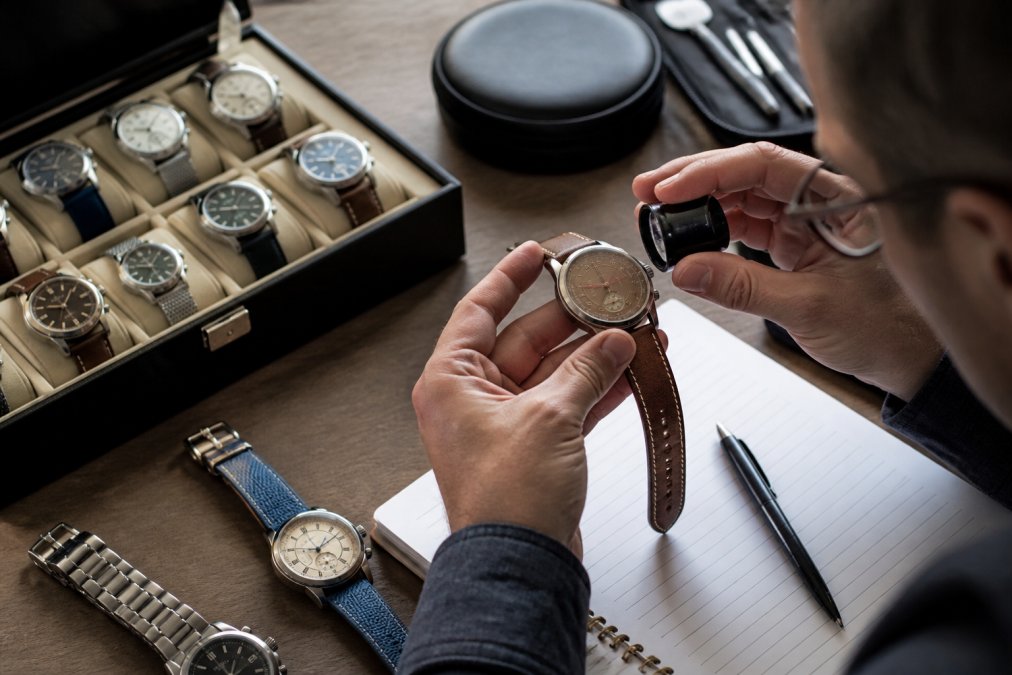
Haim Watch Company's limited production numbers create an interesting resale dynamic. The L2 Chronograph Anniversary Edition, limited to 30 pieces, operates in a different secondary market than mass-produced watches. Scarcity alone doesn't drive value, but scarcity combined with collector recognition does. A 30-piece limited edition that gains horological significance can command premium secondary prices. A 30-piece limited edition that fails to generate collector interest becomes difficult to resell at any price.
The honest assessment: microbrands rarely appreciate. They stabilize if the maker builds sustained credibility. This matters because many buyers frame microbrand purchases as investments when they're really acquisitions. You're buying a watch you'll wear and enjoy, hoping it holds value. Expecting appreciation is speculative.
Best Microbrand Watches Under $1000: Entry Points for Collectors
For collectors with limited capital, best microbrand watches under 1000 offer genuine mechanical sophistication at accessible price points. This segment represents where microbrands create the most compelling value proposition relative to alternatives.
Under $1,000, you cannot buy a legitimate luxury brand automatic watch with custom caliber work. You might find a used Seiko or a Citizen with an in-house movement, but new production luxury watches at this price point are typically quartz-driven or use mass-produced ETA movements. Microbrands fill this gap with hand-finished cases, custom calibers, and limited production runs.
The Haim Watch Company L2 Chronograph Anniversary Edition at $515 represents this category's value density. A 30-piece limited edition with hand-finished details, custom movement architecture, and ornate dial design, specifications that would cost significantly more from established makers, priced at entry-level microbrand positioning. This is where the spec-to-price ratio becomes genuinely compelling.
What matters for investment potential at this price point: production limits and community recognition. A sub-$1,000 microbrand watch that becomes recognized within collector forums, that appears regularly on secondary platforms, that generates sustained interest, that watch maintains value. A sub-$1,000 microbrand watch that generates no community engagement depreciates like any other underappreciated product.
The secondary market for sub-$1,000 watches is also more forgiving. Depreciation percentages may be similar to higher-priced watches, but the absolute dollar loss is smaller. A $500 watch depreciating 25% represents a $125 loss. A $2,500 watch depreciating 25% represents a $625 loss. This makes sub-$1,000 entry points lower-risk for testing whether you genuinely want to collect microbrands before committing larger capital.
The Crowdfunding and Liquidity Risks You Need to Know
Many microbrands fund initial production through crowdfunding platforms. This creates a specific investment risk that traditional watch buyers rarely encounter: crowdfunding risk. When a brand pre-sells watches through Kickstarter or Indiegogo, they're collecting payment before manufacturing begins. If production delays occur, quality issues emerge, or the maker encounters financial difficulty, backers have limited recourse.
This risk compounds when evaluating resale value. A watch that was crowdfunded and arrived 18 months late carries a different secondary market perception than one delivered on schedule. Delays signal manufacturing challenges. Manufacturing challenges create doubt about long-term support and quality consistency.
Liquidity risk operates differently. A watch is liquid if you can sell it quickly at a reasonable price. Watches from established microbrands with active secondary markets are reasonably liquid, listings appear regularly, sales happen within weeks. Watches from newer or less-recognized makers may sit for months without buyers, forcing price reductions to generate interest.
This matters because watches are illiquid assets compared to financial investments. You cannot sell a watch in seconds. You cannot sell it at market price instantly. You must list it, wait for interest, negotiate with potential buyers, handle shipping and authentication. The process takes weeks to months. If you need capital quickly, a watch is a poor vehicle.
Haim Watch Company's limited production approach creates controlled liquidity. Fewer watches exist, but the collector community actively seeks specific models. A Haim watch listed on secondary platforms generates interest more quickly than a watch from an unknown maker. However, liquidity is still measured in weeks, not days. This is acceptable for long-term collectors; it's problematic for anyone treating watches as emergency capital.
The crowdfunding risk specifically: avoid watches from makers who've never successfully delivered a crowdfunded project. First-time crowdfunding carries significantly higher execution risk. Established makers who've successfully funded multiple campaigns have proven they can manage the complexity.
Should You Buy a Microbrand Watch for Investment
The honest answer: are microbrand watches good investments depends on your definition of investment. If you mean financial appreciation, buying a watch and selling it for more, the data suggests limited probability. Most microbrands depreciate initially, stabilize, and rarely appreciate meaningfully.
If you mean value retention, buying a watch, wearing it, and selling it later for a reasonable percentage of your purchase price, microbrands perform adequately. A $1,500 microbrand watch that depreciates to $1,200 after three years represents a 20% loss. A $1,500 luxury brand watch might depreciate 30-40%. Comparatively, microbrands hold value reasonably well.
The real investment is in the experience. You're paying for access to horological craftsmanship, limited production scarcity, and maker relationships that luxury brands cannot replicate. You're betting that the maker will build sustained collector recognition. You're acquiring a watch you'll wear and enjoy, with the secondary benefit of reasonable value retention.
For collectors seeking genuine mechanical innovation at accessible prices, microbrands deliver. Haim Watch Company's combination of custom-engineered calibers, hand-finished cases, and transparent manufacturing creates legitimate horological value. The ornate dial designs and limited production runs appeal to collectors seeking differentiation from mass-produced alternatives.
The investment framework should be:
- Only buy microbrands from makers with proven track records or demonstrated collector community engagement
- Expect depreciation in the first 12-24 months, then stabilization
- Prioritize watches you'll genuinely wear, secondary market performance is a bonus, not the primary driver
- Avoid crowdfunded watches from first-time makers
- Recognize that liquidity is slower than financial assets; don't buy expecting quick resale
For the right collector, a microbrand watch represents excellent value. For someone seeking financial appreciation, traditional investments are more reliable. The distinction matters before you commit capital.
Microbrand watches offer genuine horological craftsmanship and limited production scarcity that appeal to serious collectors. However, they require realistic expectations about appreciation and resale value. If you're seeking a watch that combines mechanical sophistication, distinctive design, and reasonable value retention, explore Haim Watch Company's collection. The Legacy Automatic and Annum models represent the category's value density, custom-engineered movements, hand-finished cases, and transparent manufacturing at prices that acknowledge quality without institutional markup. Shop Now and discover whether a microbrand watch aligns with your collecting philosophy.
Frequently Asked Questions
Do microbrand watches actually hold their value?
Microbrand watches depreciate like most watches, but the rate varies significantly. Limited production runs and strong build quality slow depreciation compared to mass-market brands. Watches with proprietary movements, hand-finished cases, and documented horological significance retain 50-70% of original value within 5 years. Discontinued models or those with collector community followings appreciate. The secondary market for microbrands remains smaller and less liquid than luxury brands, meaning resale takes longer and may require accepting lower prices.
What factors determine microbrand watch resale value the most?
Production numbers, movement type, case material, and brand longevity drive resale value. Limited editions (under 100 pieces) hold value better than open production runs. Custom-designed or proprietary calibers command premiums over standard movements. Titanium and stainless steel cases with hand-finished details appreciate more than basic finishes. Brands demonstrating 5+ years of consistent after-sales support and warranty coverage see stronger secondary market demand. Condition, original packaging, and service history also matter significantly.
Are microbrand watches better investments than luxury brands?
No. Luxury brands like Rolex or Omega hold value and appreciate more reliably due to larger secondary markets and established collector demand. Microbrand watches are better characterized as value-for-money purchases rather than financial investments. They offer superior spec-to-price ratios, unique design, and artisanal craftsmanship at accessible entry-level luxury prices. Buy a microbrand for the horological significance, design uniqueness, and immediate enjoyment, not as a depreciating asset you expect to flip for profit.
What's the biggest risk with buying a microbrand watch?
Brand survival and liquidity risk. If a microbrand stops producing watches or goes out of business, resale value drops sharply because the secondary market evaporates. Crowdfunded brands carry extra risk; if production delays or quality issues emerge, buyer confidence collapses. Limited after-sales support and warranty coverage also create long-term serviceability concerns. Research the brand's track record, warranty terms, and whether they offer maintenance services before committing to a $1,000+ purchase.
This article was written using GrandRanker