

Table of Contents
- Why Titanium Watches Are Better for Long-Term Care
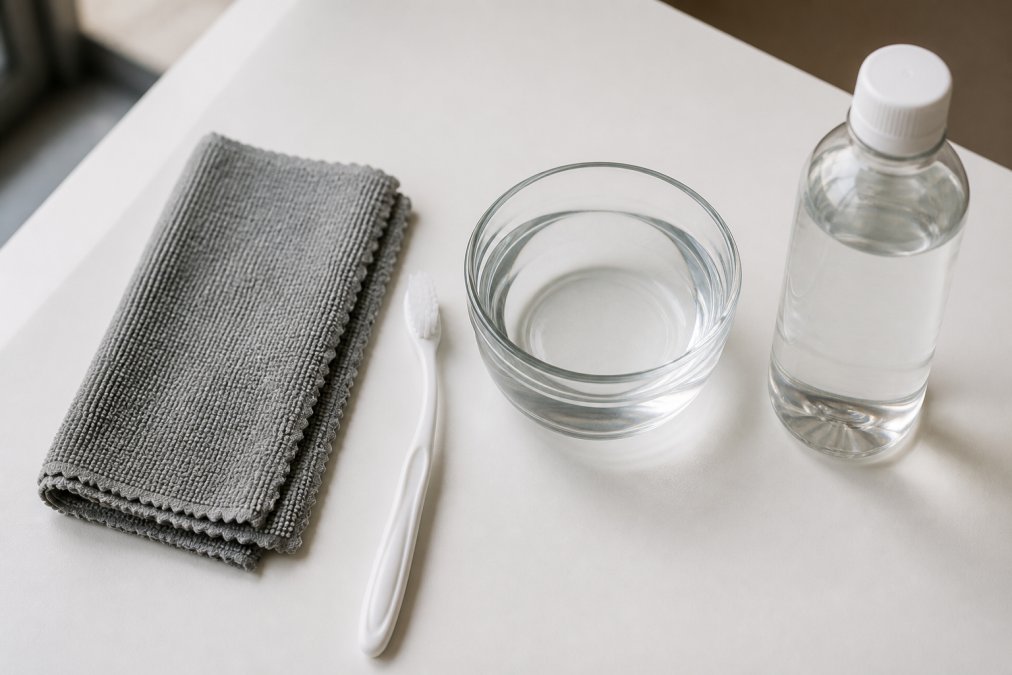
- What You'll Need: Tools and Materials for Titanium Watch Maintenance
- Daily Cleaning Routine for Titanium Watch Cases
- How to Clean Titanium Watch Bands and Bracelet Links
- Titanium Watch Scratch Repair and Surface Scuff Removal
- Protecting Your Titanium Finish: Matte and Polished Surfaces
- Water Resistance and Long-Term Storage Best Practices
- Common Mistakes to Avoid When Maintaining Titanium Watches
Why Titanium Watches Are Better for Long-Term Care
Titanium watches demand a different maintenance philosophy than steel counterparts. The metal's exceptional corrosion resistance, lightweight construction, and hypoallergenic composition mean proper care extends their lifespan dramatically while preserving the sophisticated aesthetic that drew you to them.
At Haim Watch Company, we've engineered timepieces with hand-finished titanium cases specifically because the material rewards careful maintenance. Unlike stainless steel, titanium doesn't rust, but it responds to environmental exposure in ways that require understanding. The real advantage isn't that titanium is indestructible, it's that when you maintain it properly, the investment compounds.
What You'll Need: Tools and Materials for Titanium Watch Maintenance
Before beginning any cleaning routine, assemble the right supplies. Using improper tools can damage the finish you're trying to protect.
Essential cleaning supplies:
- Microfiber cloth (lint-free, soft)
- Lukewarm water
- Neutral dish soap (pH-balanced, no harsh chemicals)
- Soft-bristled toothbrush (optional, for bracelet links)
- Lint-free towel for drying
For deeper maintenance:
- Distilled water (prevents mineral deposits)
- Cotton swabs for intricate geometries around the case back
- Protective storage container with silica gel packets
What NOT to use:
- Abrasive materials: steel wool, scouring pads, or rough cloths
- Acidic or alkaline cleaners: vinegar, bleach, or commercial degreasers
- Ultrasonic cleaners (unless the watch is rated for submersion at that frequency)
- Toothpaste or baking soda (both are mildly abrasive)
The microfiber cloth is your most important tool. It removes skin oils and light residue without scratching the surface. Keep one dedicated to your watch maintenance.
Daily Cleaning Routine for Titanium Watch Cases
Step-by-step cleaning process
A proper daily cleaning takes five minutes and prevents buildup that forces deeper maintenance later.
Step 1: Prepare your cleaning station (1 minute) Fill a small bowl with lukewarm water and add a single drop of neutral dish soap. The water should feel warm to your inner wrist, not hot, extreme temperatures can affect the movement's lubricants and the case's protective coating.
Step 2: Submerge and swish gently (2 minutes) Place your watch in the soapy water. If water-resistant to at least 30 meters, submerge it fully for 30 seconds (iso.org). Gently swish it back and forth rather than scrubbing. Pay special attention to where the case meets the bracelet, where salt buildup accumulates fastest.
Step 3: Rinse thoroughly (1 minute) Remove the watch and rinse under a gentle stream of lukewarm running water. Use distilled water if available, as tap water contains minerals that leave residue on titanium.
Step 4: Dry immediately and completely (1 minute) Pat the watch dry with a lint-free towel, then use your microfiber cloth to remove remaining moisture. Pay particular attention to bracelet links and crevices around the case back, where trapped water promotes oxidation.
Removing skin oils and salt buildup
Skin oils create a film that dulls the finish and traps moisture. Salt buildup from sweat, ocean spray, or pool chlorine accelerates corrosion if left unaddressed.
If you wear your watch during intense physical activity, swimming, or in humid environments, clean twice daily. For stubborn salt residue, use a soft-bristled toothbrush with the soapy water solution, brushing gently along bracelet links and case edges in the direction of the metal grain.
How to Clean Titanium Watch Bands and Bracelet Links
Cleaning linked bracelets versus leather straps
For linked metal bracelets: After the initial soapy water submersion, use a soft-bristled toothbrush to gently brush between each link. Work the bristles into gaps where links connect, using short strokes parallel to link orientation. For hollow end links or complex geometries, a cotton swab dampened with soapy water can reach areas the toothbrush misses.
For leather straps: Avoid submerging leather in water. Instead, dampen a microfiber cloth with the soapy water solution and wipe the strap surface gently, working in the direction of the grain. Give the underside extra attention, where sweat and salt accumulate most heavily. Allow leather straps to air-dry completely before wearing the watch again.
Drying and maintaining spring bars
Spring bars hold the bracelet or strap to the watch case and are prone to corrosion if moisture gets trapped around them. After rinsing, use a cotton swab to dry the area where the spring bar meets the case lug.
If you notice green discoloration around spring bars, a sign of oxidation, stop wearing the watch and consult a professional watchmaker. For watches with removable straps, remove the bracelet or strap monthly and clean the spring bars independently.
Titanium Watch Scratch Repair and Surface Scuff Removal
Distinguishing between minor scuffs and deep scratches
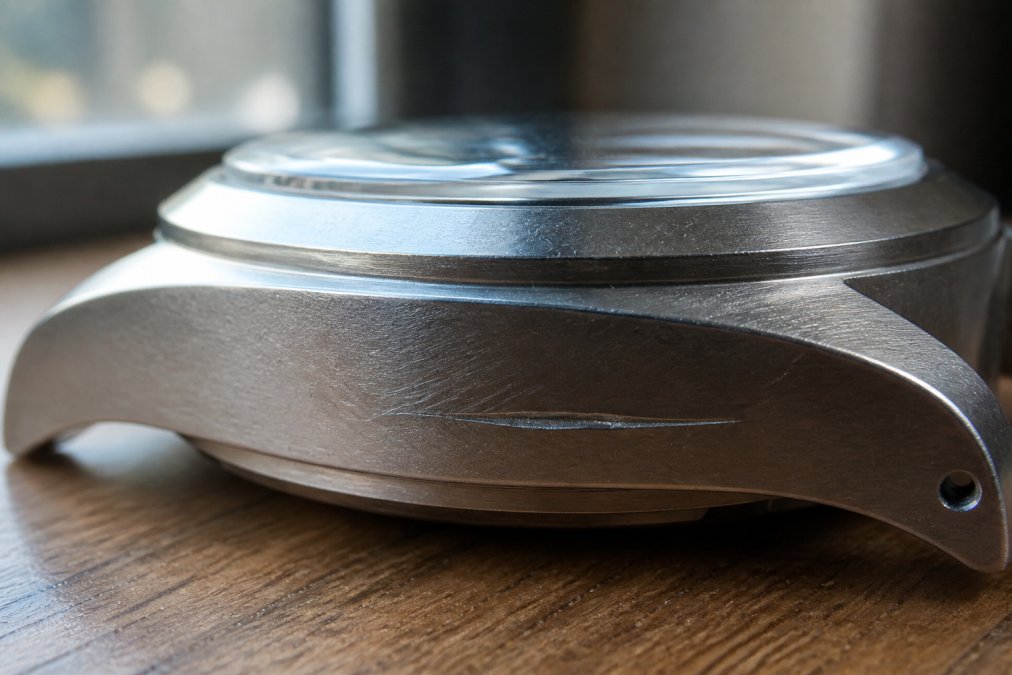
Surface scuffs are shallow marks affecting only the finish, not the underlying metal. They catch light differently but don't create a groove you can feel with your fingernail. These are cosmetic and don't affect function or durability.
Deep scratches are gouges in the titanium itself, you can feel them with your fingernail and see them from multiple angles. These compromise the protective coating and expose raw metal to oxidation, requiring professional polishing.
Professional polishing versus at-home touch-ups
At-home scuff removal: For minor surface scuffs on polished finishes, use an ultra-fine microfiber cloth with a tiny amount of water and neutral soap. Rub gently in circular motions over the scuffed area. This removes the oxidized layer on top, making it less visible. For matte or bead-blasted finishes, at-home touch-ups are ineffective, attempting to polish creates a shiny spot that looks worse than the original scuff.
Professional polishing: Deep scratches, multiple scuffs, or damage to matte finishes require professional polishing. A qualified watchmaker uses specialized compounds and polishing wheels to restore the finish while maintaining case dimensions. This is especially important for hand-finished cases, where improper polishing can destroy artisanal details.
Protecting Your Titanium Finish: Matte and Polished Surfaces
Understanding bead-blasted and matte finishes
A bead-blasted finish is created by firing tiny glass beads at the titanium surface, creating micro-indentations that diffuse light evenly. This matte finish hides minor scratches better than polished surfaces because the texture masks surface damage.
Polished finishes reflect light uniformly and showcase the metal's depth but show every fingerprint, dust particle, and light scratch. Polished finishes require more frequent cleaning to maintain visual appeal, while bead-blasted finishes tolerate longer intervals without looking dull.
Both finishes are protected by a thin oxidation layer that forms naturally on titanium, providing corrosion resistance but vulnerable to harsh chemicals or abrasive cleaning methods.
Avoiding abrasive materials and chemical reactivity
Titanium is chemically inert but certain chemicals accelerate oxidation or damage the protective coating.
Chemicals to avoid:
- Chlorine (pools, bleach): Causes pitting and discoloration (nist.gov)
- Saltwater: Accelerates oxidation, especially around crevices
- Acidic cleaners: Vinegar, lemon juice, or commercial degreasers
- Alkaline cleaners: Bleach, ammonia-based products
- Alcohol: Strips protective coatings
If your watch contacts any of these substances, rinse immediately with distilled water and dry thoroughly. Stick to soft microfiber cloths and soft-bristled brushes for all cleaning.
Water Resistance and Long-Term Storage Best Practices
Maintaining water resistance over time
Water resistance ratings (30M, 50M, 100M, 300M) indicate depth limits, not duration. The seals that create water resistance degrade over time. Annual testing by a professional watchmaker ensures your watch maintains its rating. If you regularly expose your watch to water, have seals inspected every 12 months. For occasional water exposure, testing every two years is sufficient.
Ensure the crown is screwed down fully after any manual adjustment. A loose crown allows water to enter the case even during brief submersion. After any water exposure, dry the watch thoroughly to prevent oxidation of the movement and case interior.
Proper storage to prevent oxidation and patina buildup
Titanium develops a natural patina over time, a thin, colorless oxide layer that protects the underlying metal (peer-reviewed research). This is normal and desirable. Store your watch in a cool, dry environment away from direct sunlight. Humidity promotes oxidation, so avoid bathrooms and damp basements. A watch box or drawer with silica gel packets maintains low humidity.
If you store your watch for extended periods, remove it monthly and wear it for at least an hour to circulate the movement's lubricants. For long-term storage of a watch you won't wear regularly, store it in a sealed container with silica gel, ensuring the crown is fully screwed down and the bracelet or strap is not under tension.
Never store a titanium watch in a plastic bag or airtight container without silica gel, as trapped moisture accelerates oxidation.
Common Mistakes to Avoid When Maintaining Titanium Watches
Mistake 1: Using hot water. Hot water can damage the movement's lubricants and weaken adhesive bonding protective coatings to the case. Always use lukewarm water.
Mistake 2: Cleaning too aggressively. Scrubbing with force or using stiff brushes removes the protective coating faster than normal wear. Gentle, consistent cleaning beats aggressive occasional cleaning.
Mistake 3: Neglecting the bracelet. Salt and oils accumulate most heavily in the bracelet. It deserves as much attention as the case.
Mistake 4: Storing the watch wet. Always ensure the watch is completely dry before storage, paying special attention to crevices and bracelet links.
Mistake 5: Using ultrasonic cleaners without verification. Check your documentation or consult the manufacturer before using ultrasonic cleaners, as they can damage the movement and loosen case components.
Mistake 6: Ignoring water resistance testing. Annual testing catches seal degradation before water enters the case. This is the single most cost-effective maintenance investment.
Mistake 7: Over-polishing polished finishes. Frequent polishing removes material from the case. A polished finish will develop patina, this is normal and doesn't require intervention unless scratches are visible.
Maintaining a titanium watch is straightforward once you understand the material's properties and the finish you're protecting. The routine takes minutes daily and costs nothing beyond basic supplies. Haim Watch Company designs titanium timepieces with the expectation that owners will care for them deliberately. Start with the daily cleaning routine, invest in annual water resistance testing, and your titanium watch will outlast most of the trends that surround it.
Frequently Asked Questions
Q: Do titanium watches scratch easily?
A: Titanium is more scratch-resistant than stainless steel, but surface scuffs and scratches can still occur with daily wear. Minor scratches are often cosmetic and affect the finish rather than the structural integrity of the watch case. A bead-blasted matte finish hides scuffs better than polished surfaces. With proper maintenance, you can minimize visible damage and maintain your titanium watch's appearance for years.
Q: How often should I clean my titanium watch to maintain it properly?
A: Clean your titanium watch weekly or whenever it's exposed to saltwater, sweat, or dirt. Daily wear exposes your watch to skin oils and environmental residue that can dull the finish and trap moisture in bracelet links. A quick rinse with lukewarm water and neutral dish soap takes just a few minutes. For watches worn during exercise or outdoor activities, cleaning immediately after wear prevents salt buildup and oxidation. Regular maintenance helps keep your watch looking pristine.
Q: Can I use an ultrasonic cleaner on my titanium watch?
A: Ultrasonic cleaners can damage titanium watches, especially those with hand-finished details or delicate dial decoration. The vibrations may dislodge components, harm protective coatings, or cause unintended surface changes. For watches with intricate geometries and ornate designs, gentle manual cleaning with a soft-bristled toothbrush and lukewarm water is safer and more effective. Reserve ultrasonic cleaning for bracelet links only if your watch is fully sealed, and always consult your manufacturer's care instructions first.
Q: Does titanium corrode or rust over time?
A: Titanium resists corrosion far better than stainless steel and does not rust. However, it can develop a patina or oxidation layer when exposed to moisture and oxygen over extended periods. This oxidation is a natural process that doesn't compromise the watch's function but may dull the finish. Proper drying after cleaning, regular maintenance, and appropriate storage in dry conditions minimize patina formation and keep your titanium watch looking fresh.
This article was written using GrandRanker