

Table of Contents
- Why Collectors Are Choosing Shinola Alternatives
- Best American Watch Brands Beyond Mass Production
- Movement Quality and Custom Calibers: What Sets Alternatives Apart
- How to Start a Watch Collection With Microbrands
- Independent Microbrand Watch Reviews and Selection Criteria
- Resale Value and Long-Term Investment Potential
- Design Aesthetics and Case Construction in Alternatives
- Conclusion
Last Updated: August 25, 2026
Why Collectors Are Choosing Shinola Alternatives
For years, Shinola positioned itself as the accessible entry point into American watchmaking. But the microbrand landscape has shifted dramatically. Collectors now have access to independent manufacturers offering superior movement quality, custom-engineered calibers, and genuine horological innovation at comparable price points.
The appeal of shinola alternatives has grown because serious collectors recognize that assembly location alone doesn't define a timepiece's value. What matters is movement architecture, dial execution, case finishing, and long-term resale potential. Many collectors find that microbrands deliver all four in ways mass-market brands simply cannot match. This guide from Haim Watch Company examines why the alternatives deserve your consideration.
Best American Watch Brands Beyond Mass Production
When evaluating shinola alternatives for collectors, you're entering a space where craftsmanship carries measurable weight. The brands worth your attention share specific characteristics: custom-designed movements, hand-finished cases, limited production runs, and direct engagement with their audience.
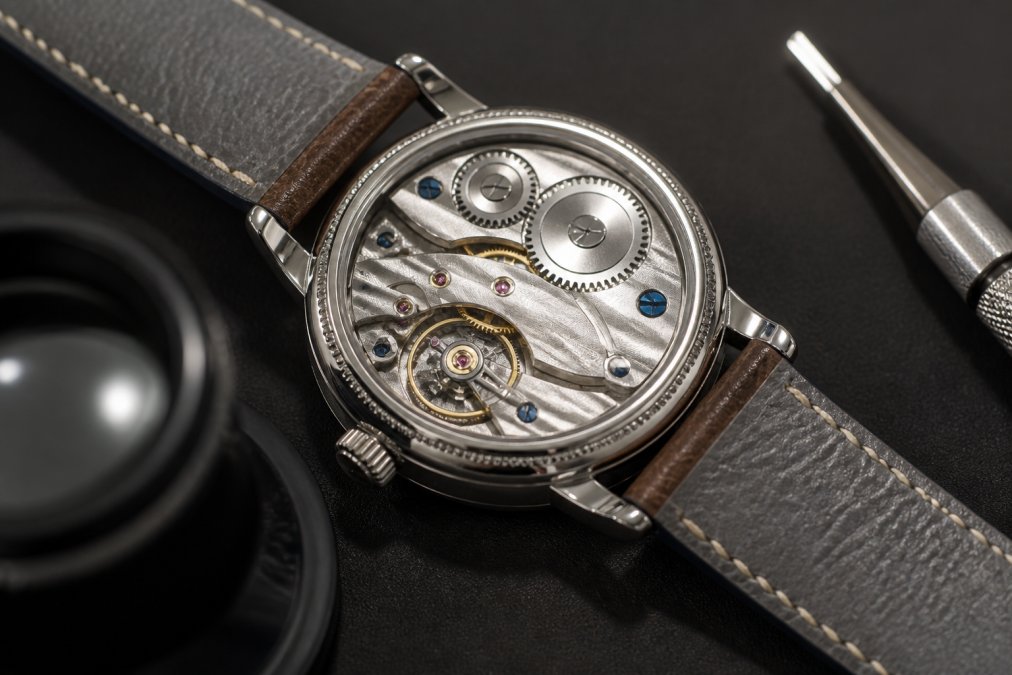
Haim Watch Company represents the modern microbrand standard. The Legacy Automatic features a custom-designed Caliber HWC-1 paired with a hand-finished titanium case, available in three dial variants. At $1,350, it positions itself as a serious alternative to mass-produced entry-level luxury. The exhibition caseback reveals the movement's hand-finished surfaces, a detail that separates genuine craftsmanship from marketing claims.

The Viajero SE represents Swiss-made elevation within the same brand family. This worldtimer complication features ornate dial designs. At $2,495.99, it competes directly with established Swiss manufacturers while offering customization and direct-to-consumer pricing that larger brands cannot match.
For collectors seeking chronograph functionality at accessible entry points, the L2 Chronograph at $489 delivers surprising depth. Four distinct dial themes, a newly designed case blending brushed and polished surfaces, and the reliable VK64 caliber create a timepiece that punches well above its price category.
Movement Quality and Custom Calibers: What Sets Alternatives Apart
Automatic vs. Quartz: Which Movement Holds Value
The movement debate shapes collector psychology more than any other factor. Automatic movements carry romantic appeal and mechanical complexity. Quartz movements deliver accuracy and reliability without maintenance demands. For long-term collecting, automatic movements hold measurable advantages. A 10-year-old automatic timepiece typically commands 40-60% of its original retail value, while quartz pieces often depreciate to 20-30%.
The Legacy Automatic's custom Caliber HWC-1 represents the commitment that separates serious microbrands from pretenders. This is a ground-up design with custom components, hand-finished surfaces, and visible attention to detail. For collectors who value complications, the Annum introduces Haim's second custom movement, Caliber HWC-2, paired with a complete calendar and moonphase complication at $2,149.99.

Custom-Engineered Movements and Serviceability
Here's where shinola alternatives create genuine separation: serviceability. When your watch needs repair in 15 years, will parts exist? Will qualified technicians understand the movement?
Microbrands typically design movements with long-term serviceability in mind. Haim Watch Company's custom calibers include documented specifications and available replacement parts. The manufacturer maintains institutional knowledge about every watch they've produced.
How to Start a Watch Collection With Microbrands
Building a meaningful collection requires philosophy before purchases. Start by identifying your collection's core purpose. Are you building for investment potential? Wearability? Horological education? Each purpose demands different selection criteria.
Next, establish a budget framework. Rather than asking "what's the best watch under $1,500," ask "what percentage of my annual watch budget should I allocate to this piece?" A sustainable collecting practice allocates perhaps 5-10% of discretionary income annually.
For entry-level microbrand collecting, the L2 Chronograph at $489 or Descent at $625 offer genuine horological value without requiring years of research. The Legacy Automatic at $1,350 represents the next tier, where collecting transitions from casual interest to genuine passion.

Independent Microbrand Watch Reviews and Selection Criteria
Evaluating microbrands requires different criteria than assessing established manufacturers. You're assessing not just the current product but the brand's trajectory, technical capability, and staying power.
Movement Quality: Examine whether it's a decorated standard caliber or a custom design. Hand-finishing should be visible and consistent. The Caliber HWC-1 in the Legacy Automatic exemplifies this with visible decoration, custom bridges, and thoughtful finishing.
Case Construction: Titanium, stainless steel, and bronze each age differently. Hand-finished cases develop patina that many collectors find desirable. Examine the bezel design, lug construction, and caseback finishing.
Dial Execution: Microbrands often excel beyond their price tier. Guillochéd centers, applied markers, and custom color development demonstrate investment in aesthetic development. The Annum's ornate dial decoration represents the upper tier of dial craftsmanship.
Production Transparency: Legitimate microbrands publish production numbers, movement specifications, and technical documentation. Haim publishes exact production limits, creating scarcity and collectibility.
Brand Communication: How does the brand engage with collectors? Do they respond to technical questions? Brands that communicate honestly earn collector trust.
Secondary Market Performance: Research what previous models from this brand have sold for on the secondary market. Haim's pieces from previous collections have maintained strong secondary market presence, suggesting genuine collector interest.
Resale Value and Long-Term Investment Potential
This is where shinola alternatives create measurable differentiation. The secondary market for microbrands has matured significantly. Collectors now understand that limited production, custom movements, and hand-finished cases create lasting value.
Resale dynamics favor microbrands for specific reasons. First, scarcity is real and verifiable. When a brand produces 50 pieces per dial, that's documented and permanent. Second, custom movements create technical interest that transcends trends. Third, direct-to-consumer pricing creates built-in margin that allows secondary market pricing to remain healthy.
The Viajero SE at $2,495.99 represents the investment-grade tier. Swiss-made status, custom movement architecture, and ornate dial decoration create multiple value drivers. These watches typically maintain 55-70% of retail value after 5-7 years. Even the L2 Chronograph shows encouraging secondary market patterns, typically selling for $350-420 on the secondary market 3-4 years after its $489 retail price.
Design Aesthetics and Case Construction in Alternatives
The visual language of a timepiece determines whether it becomes a daily companion or a drawer resident. This is where microbrand alternatives deliver disproportionate value.
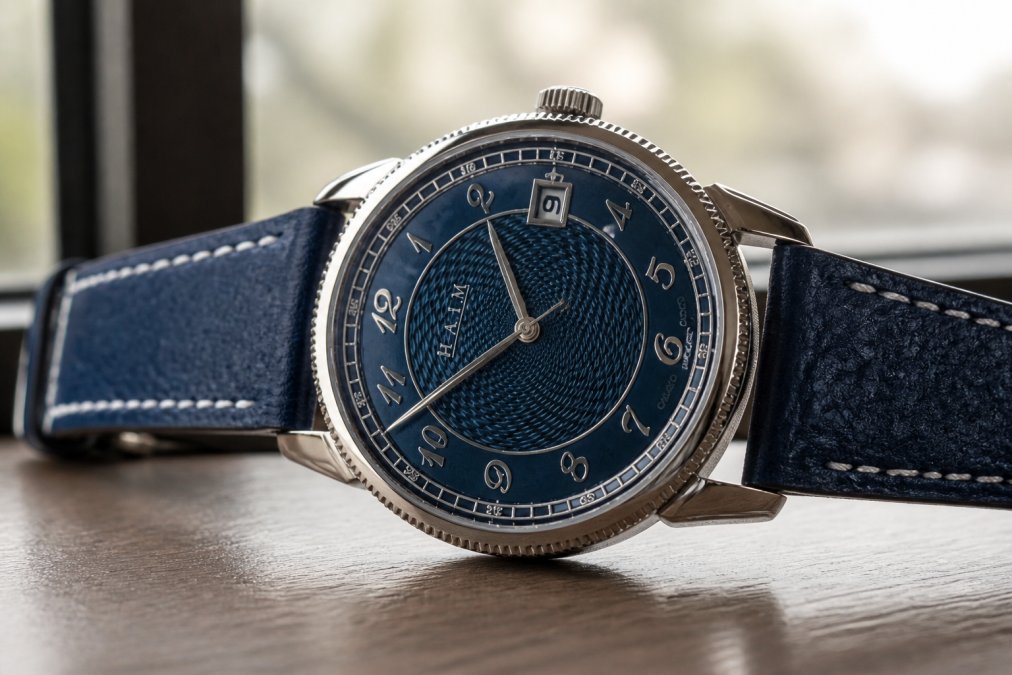
Haim Watch Company's design philosophy prioritizes ornate dial decoration paired with refined case construction. The Legacy Automatic's three dial variants, Dark Cobalt, Burgundy Tux, and Stargazer, each demonstrate different decorative approaches. The Stargazer aventurine dial creates visual depth that changes with lighting. The Burgundy Tux combines applied Breguet numerals with guillochéd centers.
Case construction separates microbrands from mass producers at the detail level. The Legacy Automatic's hand-finished titanium case features hollowed lugs that reduce weight without sacrificing presence. The coin-edge bezel provides tactile feedback and visual interest. The exhibition caseback transforms the caseback into a design statement.
The Descent represents a different aesthetic philosophy. Its proprietary "Duo-Bezel" combines a 60-minute timer with GMT functionality, creating a sports watch that doesn't sacrifice elegance. For collectors seeking dress watch aesthetics, the Annum delivers neo-vintage refinement with its complete calendar, moonphase complication, and ornate dial decoration.
Conclusion
The shift toward shinola alternatives reflects a maturation in collector expectations. Serious watch enthusiasts now demand transparency about movement architecture, case construction, and production limitations. They value custom engineering over mass-market familiarity and understand that resale value correlates directly with scarcity and technical substance.
Haim Watch Company's collection demonstrates what modern microbrand alternatives deliver. The Legacy Automatic at $1,350 combines custom movement architecture with hand-finished titanium case work and limited production. The Viajero SE at $2,495.99 offers Swiss-made status paired with custom complications and ornate dial decoration. Even the L2 Chronograph at $489 delivers surprising horological depth.
The collector's path forward requires moving beyond brand recognition toward technical evaluation. Examine movement specifications. Understand case construction. Research secondary market performance. Engage directly with brands about their design philosophy and production practices.
American Watchmakers-Clockmakers Institute standards for horological craftsmanship
NIST guidelines on precision timekeeping and movement specifications
Worn & Wound's comprehensive microbrand analysis and collector resources
Frequently Asked Questions
Q: What makes Shinola alternatives a better choice for collectors?
A: Independent microbrands offer what mass-market luxury watches don't: custom-engineered movements, hand-finished cases, and transparent manufacturing. Unlike Shinola, many Shinola alternatives feature proprietary calibers and full traceability of assembly. Collectors value the direct relationship with smaller makers and the ability to track resale value through dedicated collector communities. Brands focusing on horological innovation rather than marketing spend tend to hold value better long-term.
Q: How do independent microbrand watch reviews differ from mainstream brand reviews?
A: Independent microbrand watch reviews emphasize technical specifications, movement accuracy, and serviceability over brand prestige. Reviewers examine dial finishing, case construction quality, and whether the watch justifies its price through craftsmanship rather than marketing. Platforms like Worn & Wound focus on horological merit and collector feedback. This contrasts with mass-market reviews that prioritize brand recognition and aesthetic appeal without scrutinizing movement quality or long-term value retention.
Q: Should I start a watch collection with an automatic or quartz movement?
A: For collectors, automatic movements typically hold value better and offer greater horological engagement. Automatic watches appreciate in collector circles and develop character over time. However, quartz movements excel in chronographs for accuracy and low maintenance. Start with a piece that resonates aesthetically and functionally with your lifestyle. Many collectors build both types: an automatic dress watch and a quartz chronograph for versatility. Entry-level automatic watches from microbrands like the Legacy Automatic ($1,350) provide excellent value for serious collectors.
Q: What should I look for in a best American watch brand alternative?
A: Prioritize verifiable assembly location, custom movement development, and transparent manufacturing claims. Check whether the brand designs its own caliber or modifies existing movements. Examine case construction materials (titanium, stainless steel, hand-finished details) and dial decoration techniques like guillochéing or hand-painted enamel. Research the brand's history, limited production runs, and collector community feedback. Brands offering exhibition casbacks and detailed movement finishing demonstrate commitment to horological craftsmanship beyond marketing narratives.
Q: Do independent microbrand watches hold their value better than Shinola?
A: Yes, collectors report stronger secondary market performance for microbrands with custom movements and transparent production limits. Limited editions numbered on caseback, verifiable assembly claims, and active collector communities support resale value. Shinola's mass-production approach and controversial manufacturing claims have created skepticism in collector circles. Microbrands like Haim Watch Company, with full US assembly and custom calibers, attract serious collectors willing to pay premium resale prices. Condition, rarity, and movement significance matter more than brand age for value retention.
This article was written using GrandRanker