

Table of Contents
- What Is a Microbrand Watch?
- Microbrand Watch Depreciation Rates: What the Data Shows
- Factors Affecting Watch Resale Value
- Why Microbrands Depreciate
- How to Sell a Microbrand Watch: Exit Strategy Guide
- Direct-to-Consumer Models and Resale Impact
- Buying for Enjoyment vs. Investment
- Conclusion
Last Updated: August 30, 2026
What Is a Microbrand Watch?
A microbrand watch is a timepiece produced by an independent watchmaker or small company operating outside traditional luxury conglomerates. These brands manufacture in limited quantities with custom-designed movements and hand-finished cases, prioritizing horological craftsmanship over brand prestige through direct-to-consumer distribution models.
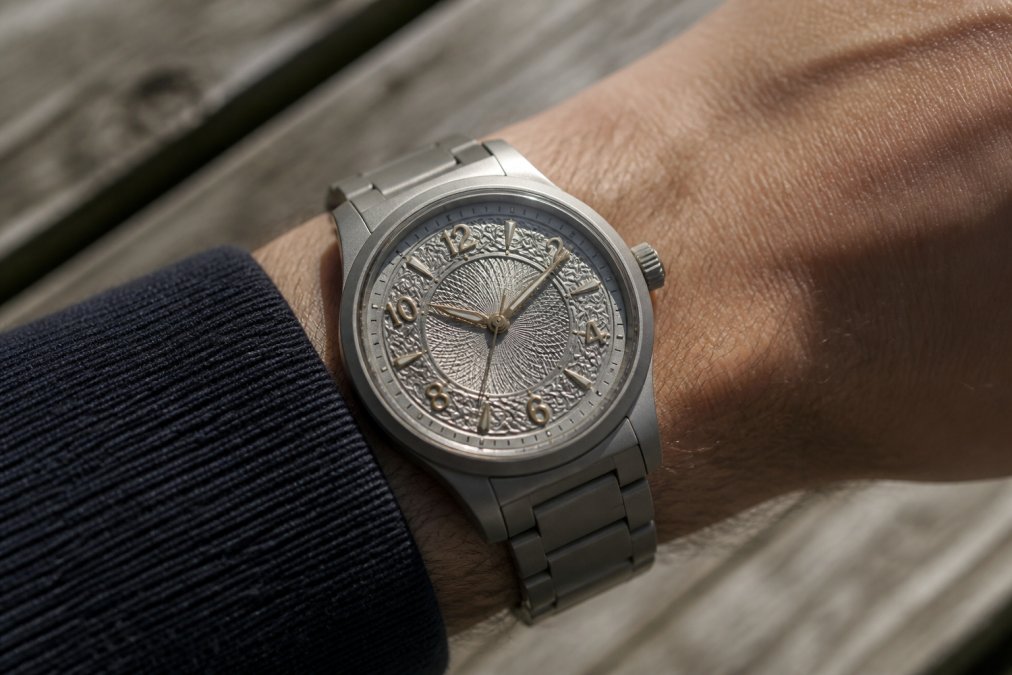
Brands like Haim Watch Company exemplify this category, offering hand-finished titanium cases and custom-engineered calibers at price points far below traditional luxury houses. The appeal is straightforward: you're buying from engineers who answer directly to customers, not shareholders optimizing quarterly earnings. That transparency creates genuine enthusiast communities but also creates a critical problem for resale value, when you exit, you're selling into a secondary market without the institutional liquidity of established brands.
Understanding microbrand watch resale value requires examining why these watches depreciate, which factors preserve value, and how to position yourself for the best exit.
Microbrand Watch Depreciation Rates: What the Data Shows
Microbrands typically lose 20-35% of retail value within the first year of ownership, with the depreciation curve flattening after year two but rarely stabilizing as it does with vintage Rolex or Omega pieces. A $1,500 microbrand watch might fetch $975-$1,200 on the secondary market six months later, settling around $900-$1,050 by year two.
Limited edition releases create temporary appreciation windows. A 30-piece limited edition like Haim Watch Company's L2 Chronograph Anniversary Edition holds value better during the first 90 days after release than standard production models. Once the brand releases new models, earlier editions depreciate faster as collector attention shifts.

The secondary market for microbrands remains fragmented across enthusiast forums, brand-specific Facebook groups, and Instagram, meaning your exit timeline matters far more than with Rolex or Seiko. A watch listed on the wrong platform at the wrong time can sit for months.
Factors Affecting Watch Resale Value
Limited Production and Scarcity
Limited production runs preserve resale value better than open-ended production. When a brand commits to 30 or 50 pieces per dial variation, collectors understand supply is finite. Haim Watch Company's L2 Chronograph Anniversary Edition is numbered and limited to 30 pieces per dial, signaling finality. Compare that to open-ended production: if a brand announces it will make a model indefinitely, secondary market prices compress immediately because supply uncertainty kills scarcity premium.
If a brand floods the market with "limited" releases every quarter, the word "limited" loses meaning and value retention suffers. Brands that release one limited edition per year maintain stronger secondary market pricing than those releasing four.
Brand Equity and Cult Following
Brand equity in the microbrand space is built on community, not advertising spend. A brand with an engaged enthusiast base on Reddit's r/Watches, dedicated Discord communities, or strong Instagram following commands better secondary market pricing than an equivalent watch from an unknown brand.
Cult following is measurable through active forum discussions, Instagram hashtag volume, and how quickly releases sell out. When collectors feel they're part of something and identify with the brand's philosophy, they hold watches longer and resist selling, reducing secondary market supply and supporting prices.
Movement Grade and Serviceability
Custom-designed calibers like the HWC-1 movement in Haim Watch Company's Legacy Automatic command a premium over standard ETA movements because they represent proprietary engineering. However, serviceability is critical, a custom movement is only valuable if the brand commits to long-term support. Brands that clearly document caliber specifications, publish service manuals, and maintain service centers preserve secondary market value.

Build Quality and Materials
Hand-finished titanium cases preserve value better than brushed steel because titanium resists corrosion and develops character over time. Hand-applied numerals, manually executed guilloche work, and individually polished surfaces command premiums because that finishing is labor-intensive. Movement finishing also matters, a decorated balance cock and hand-engraved components add resale value.
Why Microbrands Depreciate
Microbrands depreciate because they lack the institutional support that protects value for established brands. A Rolex Submariner holds value through controlled distribution, consistent design language, and global service infrastructure. A microbrand watch holds value only if the brand actively maintains community interest and demonstrates longevity.
The direct-to-consumer model that makes microbrands affordable also creates depreciation pressure. When brands sell directly, they build no dealer network, so when you want to sell, there's no authorized reseller to facilitate the transaction. You're competing in an open secondary market where price discovery is inefficient.
Brand maturity matters significantly. A microbrand operating five years with consistent releases and active community sees better secondary market pricing than a startup. Buyers discount for brand survival risk. Market saturation also accelerates depreciation, when multiple microbrands chase the same aesthetic, a watch that seemed unique in 2024 feels generic in 2026.
How to Sell a Microbrand Watch: Exit Strategy Guide
Timing Your Sale
The optimal window is 18-36 months after purchase, when the watch has stabilized in value but still feels current. Selling within the first 90 days captures residual demand from collectors who missed the initial release. Monitor brand release cycles, if your brand is about to launch a new model, your watch will depreciate.
Limited editions have compressed optimal windows. A 30-piece release has maximum demand in the first 60-90 days. After that, collector attention shifts to the next limited drop. Preserve condition if you plan to hold long-term, as a watch in excellent condition with minimal wear sells faster and at higher prices.
Where to List Your Watch
For microbrand watches, start with brand-specific communities: the brand's official Discord, relevant Reddit communities, and enthusiast Facebook groups. These buyers understand the watch's value and are less likely to negotiate aggressively. If the watch doesn't sell within 30 days, move to Chrono24 or WatchBox. Avoid general marketplaces like eBay or Facebook Marketplace unless desperate to clear inventory.
Pricing and Negotiation
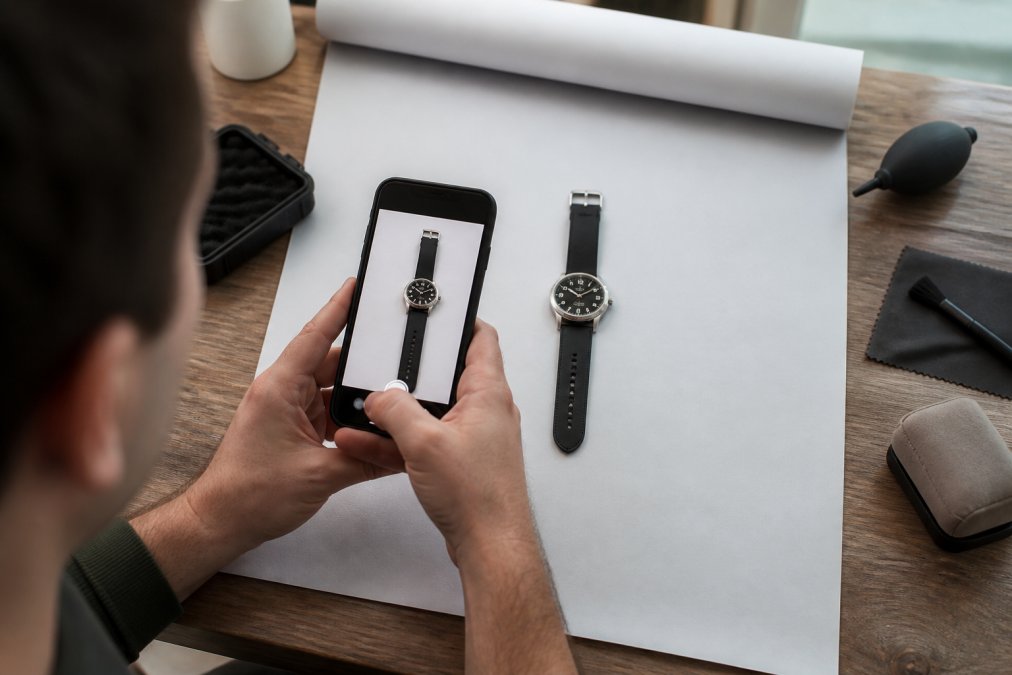
Research comparable sales before listing by checking sold listings on Chrono24 and community marketplace posts from the past 60 days. Price 5-10% above your target exit price to leave room for negotiation. Be transparent about condition with high-quality photos showing the dial, case, caseback, and movement.
Emphasize serviceability and movement specifications. Explain the custom caliber's features and document that the brand maintains service infrastructure. Accept that microbrand watches sell slower than established brands, plan your exit timeline accordingly.
Direct-to-Consumer Models and Resale Impact
The direct-to-consumer distribution model enables microbrands to exist but also creates resale friction. When brands sell direct, they eliminate dealer markup but weaken secondary market value because there's no dealer network to absorb inventory. Established brands with global dealer networks benefit from institutional liquidity; microbrand buyers have no such option.
However, direct-to-consumer models create an advantage: lower initial prices. A $1,350 Haim Watch Company Legacy Automatic might depreciate to $900-$1,050 by year two, but you started at a lower absolute price than a $5,000 Omega that depreciates to $3,500. Your percentage loss might be steeper, but your absolute dollar loss is smaller.
The best microbrands mitigate depreciation by building community loyalty and maintaining consistent design language.
Buying for Enjoyment vs. Investment
If you're buying for enjoyment because you love the design and appreciate the craftsmanship, depreciation is irrelevant. If you're buying for investment, expecting appreciation or value retention, microbrands are poor vehicles. The secondary market is too illiquid, brand survival too uncertain, and appreciation rare.
Buy microbrands for the craftsmanship, design, and community. Accept 20-35% depreciation as the cost of ownership. Buying strategically minimizes depreciation: limited editions in popular configurations hold value better than open-ended production, and watches from brands with strong community followings depreciate less.
:::tip If you must buy a microbrand, choose brands with demonstrable community engagement, documented service infrastructure, and a track record of consistent releases. These signals indicate longevity and protect against catastrophic depreciation.
Conclusion
Microbrand watch resale value comes down to one reality: these watches depreciate because they lack the institutional support of established brands. But that same independence is what makes them appealing, you're buying direct from engineers who care about craft, not shareholders optimizing margins.
If you're buying a Haim Watch Company timepiece like the Legacy Automatic or L2 Chronograph, understand that you're investing in exceptional craftsmanship and design, not a financial asset. Plan to own your microbrand watch for at least 18-24 months, sell strategically into engaged communities, and accept that you'll recover 60-70% of your investment by year two, a reasonable cost of ownership for a watch you genuinely love wearing.
Worn & Wound's analysis of microbrand watch quality and community
Chrono24's secondary market data on watch depreciation patterns
Reddit's r/Watches community discussions on microbrand resale value
Frequently Asked Questions
Do microbrand watches depreciate like luxury brands?
Microbrand watches typically depreciate faster than established luxury brands, but the trajectory varies significantly. A microbrand watch may lose 30-50% of its retail value in the first year, compared to 10-20% for major luxury brands. However, limited-edition microbrands with strong enthusiast communities and scarcity often hold value better than entry-level luxury pieces. The key difference: luxury brands have decades of brand equity built in, while microbrands must prove their staying power through consistent quality and community engagement.
What factors affect microbrand watch resale value the most?
Scarcity, build quality, and brand reputation drive resale value. Limited production runs create demand on the secondary market, while custom-engineered movements and hand-finished cases justify premium resale prices. Brand equity matters significantly, microbrands with strong enthusiast communities and featured press coverage (like Worn & Wound recognition) command better prices. Serviceability also plays a role; watches with accessible after-sales support and documented manufacturing (such as 100% US assembly) reassure buyers and support resale premiums.
How do I sell a microbrand watch for the best price?
List your watch on specialized forums and communities where watch enthusiasts actively buy and sell, these buyers understand microbrand value better than general marketplaces. Document everything: original box, papers, service history, and photographs of the dial and case. Price competitively by researching recent sales of the same model; limited editions command premiums. Time your sale strategically, new model releases can depress prices for older colorways, while anniversary editions or discontinued references often appreciate on the secondary market.
Are microbrand watches worth buying if I want to resell later?
Buy a microbrand watch for enjoyment first, resale potential second. Choose brands with proven track records, limited production runs, and active enthusiast communities. Watches like the Haim Watch Company Legacy Automatic, featuring custom-engineered calibers and hand-finished titanium cases, appeal to collectors seeking horological craftsmanship. Entry-level models hold value better than mid-range pieces, and limited editions outperform standard releases. Direct-to-consumer pricing means lower markups, which can work in your favor when reselling, you're not fighting against dealer margins.
What makes a microbrand watch hold its value better?
Scarcity and collectibility are primary drivers. Limited production runs (such as 30-piece editions) create artificial scarcity that supports resale prices. Custom movements and proprietary complications increase horological value, watches with unique mechanical features attract serious collectors. Brand recognition and community engagement matter; microbrands featured in respected publications or with loyal enthusiast followings maintain stronger secondary markets. Build quality using premium materials like titanium and hand-finished cases also supports value retention, as does documented manufacturing provenance.
Should I buy a limited-edition microbrand watch as an investment?
Treat limited-edition microbrands as collectibles, not financial investments. Some limited editions appreciate due to scarcity and community demand, but most depreciate initially before stabilizing. The L2 Chronograph Anniversary Edition, limited to 30 pieces per dial, has better appreciation potential than standard production models due to its scarcity and brand milestone significance. However, your primary return comes from wearing and enjoying the watch. If you need liquidity or expect significant appreciation, luxury watches from established houses are more predictable. Buy microbrands because you love the design and craftsmanship.
This article was written using GrandRanker