

Table of Contents
- What Are Microbrand Watches With Swiss Made Movements
- Swiss-Made vs. Swiss Movement: Understanding the Difference
- Best Microbrand Watches Across Price Points
- Microbrand Watches Under $1,000: Value and Craftsmanship
- Movement Types: Automatic, Manual-Wind, and Quartz
- Microbrand Watch Buying Guide: What Actually Matters
- Why Microbrand Watches With Swiss Made Movements Hold Value
- Frequently Asked Questions
Last Updated: October 10, 2026
What Are Microbrand Watches With Swiss Made Movements
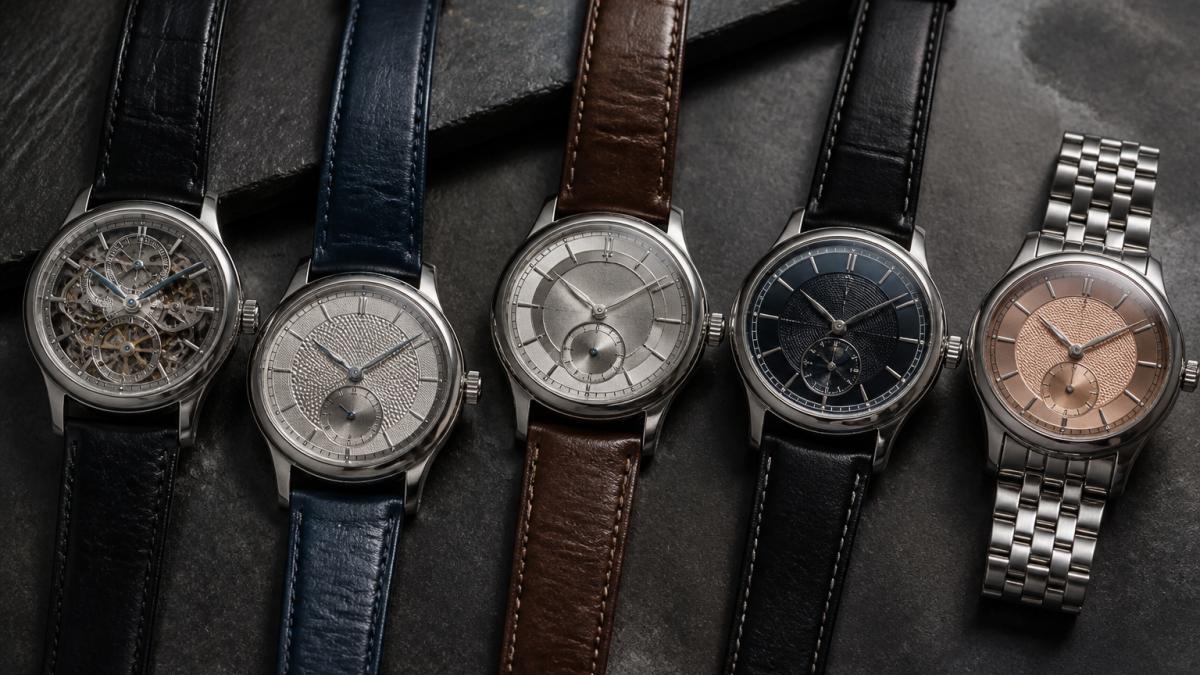
Microbrand watches with Swiss made movements represent a distinct category in independent watchmaking, where smaller, design-focused manufacturers pair their distinctive aesthetics with certified Swiss mechanical calibers. These timepieces occupy a unique position: they offer the artisanal craftsmanship and individuality of independent brands while backing that promise with the precision and reliability associated with Swiss horological heritage.
Collectors increasingly seek watches reflecting personal taste rather than mass-market appeal. Microbrand watches deliver this through ornate dial designs, hand-finished cases, and custom-engineered movements. The appeal lies not in brand recognition, but in the story embedded in every component: where the movement comes from, how the dial was finished, why the designer chose this specific case shape.
A microbrand watch with a Swiss made movement competes on craftsmanship, design coherence, and alignment between what you see and what you're paying for, not on heritage or advertising spend.
Swiss-Made vs. Swiss Movement: Understanding the Difference
Swiss-made is a regulated designation. According to official Swiss standards, a watch carries the "Swiss made" label only when the movement is Swiss-made, the watch is cased in Switzerland, and the final inspection occurs in Switzerland. This represents full Swiss manufacturing control.
Swiss movement refers only to the mechanical caliber inside the watch. A watch with a Swiss movement can be assembled, finished, and cased anywhere in the world. This distinction allows microbrands to source proven, regulated Swiss calibers while controlling design, finishing, and assembly elsewhere. Many independent watchmakers use this approach to balance cost and authenticity without compromising on the movement's precision and reliability.
The practical difference: Swiss-made watches cost more because every step of production remains under Swiss oversight and labor standards. Swiss movement watches offer Swiss mechanical reliability at a lower price point because the brand controls costs through design and assembly choices elsewhere.
Choose based on whether full Swiss manufacturing heritage justifies the premium, or whether a Swiss movement with distinctive independent design offers better value for your needs and budget.
| Designation | Movement Origin | Case & Assembly | Inspection | Typical Price Range | Best For |
|---|---|---|---|---|---|
| Swiss Made | Switzerland | Switzerland | Switzerland | $2,000+ | Heritage-focused collectors |
| Swiss Movement | Switzerland | Independent brand | Independent brand | $500-$1,500 | Design-first buyers seeking mechanical precision |
Best Microbrand Watches Across Price Points
L2 Chronograph: Precision Under $500
The L2 Chronograph ($489) delivers accessible mechanical timekeeping for collectors serious about movement quality and design coherence.
Powered by the VK64 quartz caliber, the L2 offers four distinct dial themes with ornate detailing. The case blends brushed and polished surfaces with chamfered edges, creating visual depth that photographs well and catches light distinctly on the wrist.
The design-first approach ensures every visual choice serves the overall composition, establishing that independent watchmakers deliver finished, thoughtful products at accessible prices.
L2 Chronograph Anniversary Edition: Limited Collectibility
The Anniversary Edition ($515) limits each dial colorway to 30 individually numbered pieces, creating genuine collectibility without artificial price inflation.
This edition features the Pulsometer scale, a vintage complication measuring heart rate, while celebrating three years of independent design. The limited production run ensures the watch remains distinctive in five years.
Viajero: Worldtimer Accessible Luxury
The Viajero ($899.99) introduces the Worldtimer complication, making global timekeeping accessible to travelers and geography enthusiasts.
Four dial variants, "Air," "Land," "Water," and "Aerodrome", each pay homage to different modes of exploration. The hand-finished stainless steel case features polished and brushed surfaces, directing attention to the 3D relief dial.
The exhibition caseback reveals an Atlas-shaped rotor. At 38.5mm with a 20mm lug width and 12mm thickness, the Viajero balances presence with wearability.
Viajero SE: Swiss-Made Heritage
The Viajero SE ($2,495.99) elevates the Viajero with full Swiss manufacturing.
Haim Watch Company's first Swiss made timepiece features hand-drawn 17th-century maps on Grand Feu Enamel dials.
Three dial variants showcase design coherence. At 39.5mm with 10mm thickness, the SE sits slightly larger and slimmer than the standard Viajero, creating a refined profile.
For collectors investing in full Swiss provenance, the SE delivers heritage combined with modern horological progress.
Annum: Custom Calendar Complication
Annum ($2,149.99) features a custom mechanical calendar module paired with moonphase complication, powered by Caliber HWC-2.
The Complete Calendar complication displays day, date, and month simultaneously with a separate moonphase window, demonstrating deepening technical capabilities.
Three colorways, Dark Cobalt, Stone White, and Fumée, offer sophistication. Two variants feature intricate CNC guilloché patterns, creating textured interplay of light and depth.
The 38mm case with 20mm lug width delivers harmonious wrist presence. Annum includes a bespoke French Epsom leather strap, quick-release spring bars, and signed buckle.
Microbrand Watches Under $1,000: Value and Craftsmanship
The sub-$1,000 segment proves independent watchmaking's value: design coherence, movement quality, and transparency from smaller production runs, not brand heritage or marketing budgets.
Microbrands compete on distinctive aesthetics, reliable movements, and hand-finished case work. The L2 Chronograph ($489) and Viajero ($899.99) refuse to compromise on design or movement quality despite price constraints.

Movement Types: Automatic, Manual-Wind, and Quartz
Understanding movement types clarifies what you're actually buying and what maintenance expectations should be.
Quartz movements like the VK64 use battery power for timekeeping accurate to within seconds per month, requiring minimal maintenance. The L2 proves quartz doesn't mean compromised design or reliability.
Automatic movements use the motion of your wrist to wind the mainspring, eliminating battery replacement. They require regular wear (typically 8+ hours daily) to maintain power reserve and function optimally. Automatic watches appeal to collectors who value the mechanical sophistication and the tactile experience of winding energy through movement.
Manual-wind movements require you to wind the crown regularly to maintain power. They're less common in modern microbrands but appeal to collectors who value the ritual and direct connection to the watch's mechanical function.
Each type has legitimate appeal depending on your lifestyle and collecting philosophy. The key is choosing consciously rather than defaulting to automatic because it's traditional, or quartz because it's convenient.
Microbrand Watch Buying Guide: What Actually Matters
When evaluating a microbrand watch, focus on factors that affect long-term satisfaction and value retention.
Evaluating Case Materials and Finishing
Case material determines durability, weight, and aesthetic character. Stainless steel is the standard for microbrands because it balances cost, durability, and visual appeal. Hand-finished cases, featuring polished and brushed surfaces with chamfered edges, create visual depth that mass-produced cases cannot achieve. The L2 and Viajero exemplify this approach: the interplay of brushed and polished surfaces catches light distinctly and photographs well.

Haim Watch Company's hand-finished titanium cases represent this technical commitment.
The finishing quality matters more than the material itself. A well-finished steel case will age better and maintain appeal longer than poorly finished titanium. Examine photographs carefully: look for consistent chamfering, sharp edges, and uniform brushing direction. These details signal craftsmanship and predict how the watch will wear over years of use.
Dial Design and Limited Production Runs
The dial is where microbrand design philosophy becomes visible. Ornate dial designs, featuring guilloché patterns, applied markers, or hand-painted elements, distinguish independent watches from mass-market alternatives. The Annum's CNC guilloché and the Viajero SE's Grand Feu Enamel maps represent design choices that serve no functional purpose except to create visual interest and demonstrate technical capability.
Limited production runs matter for value retention and distinctiveness. A watch limited to 30 pieces per dial colorway will remain visually distinctive.
Movement Caliber and Reliability
The movement is the watch's heart. For microbrands, the choice between using established Swiss calibers (like the VK64) and developing custom movements (like Caliber HWC-2) reflects different philosophies.
Established calibers offer proven reliability and lower cost, allowing brands to invest in design and finishing. Custom calibers demonstrate technical ambition and create genuine differentiation.
For your first microbrand purchase, an established Swiss caliber is a practical choice. You'll find service centers worldwide, parts are available, and the movement's track record is documented. As you develop collecting sophistication, custom movements become more appealing because they represent genuine technical achievement and offer unique mechanical characteristics.
Why Microbrand Watches With Swiss Made Movements Hold Value
Microbrand watches with Swiss made movements hold value because they deliver authenticity in an industry saturated with marketing fiction.
The Worn & Wound review captured this perfectly: "With any of the three, you see a trove of design, reminiscent of galaxies and starlit nights in each of the three colorways. All that beauty was packed into a dial, making for a watch that caught my eye, and imagination, more than once when wearing it throughout the day."
Swiss made designation adds measurable value because it represents full manufacturing control and compliance with regulated standards.
The real value driver, though, is design coherence. Watches that feel intentional, where every visual choice serves the overall composition, maintain appeal across years and market cycles. Microbrands succeed because they prioritize this coherence over production volume or trend chasing.
Choosing a microbrand watch with Swiss made movements means prioritizing craftsmanship and design authenticity over brand recognition. Haim Watch Company delivers exactly this: from the accessible L2 Chronograph to the Swiss made Viajero SE, each timepiece combines hand-finished case work, ornate dial designs, and reliable Swiss or custom-engineered movements. Whether you're seeking your first mechanical watch or adding to an established collection, our watches are designed to become part of your journey. Shop Now and discover timepieces that reward close attention and lasting wear.

Frequently Asked Questions
What is the difference between a Swiss-made movement and a Swiss-made watch?
A Swiss-made movement is the caliber itself manufactured in Switzerland, but the case, dial, and assembly may be anywhere. A Swiss-made watch means the entire timepiece, movement, case, dial, and final assembly, is produced and assembled in Switzerland, meeting strict Swiss labeling requirements. The Viajero SE qualifies as fully Swiss-made, while many microbrand watches pair Swiss movements with cases assembled elsewhere, offering the precision of Swiss calibers with independent design aesthetics.
Are microbrand watches with Swiss movements reliable?
Yes. Swiss movements are regulated and tested for accuracy and durability before leaving the factory. Independent microbrands that use Swiss calibers benefit from decades of refinement in movement manufacturing. Reliability depends on the specific caliber used (like the VK64 in the L2 Chronograph) and how well the brand sources and assembles components. Haim Watch Company's custom-engineered calibers and Swiss-made options undergo quality control to ensure precision and longevity.
What should I look for when buying a microbrand watch with a Swiss movement?
Prioritize the movement caliber, verify it's a recognized Swiss manufacturer or custom module with documented specifications. Examine case materials (stainless steel, titanium) and finishing quality (brushed, polished, chamfered edges). Check for limited production runs, which preserve exclusivity and resale value. Review dial design and complications (chronograph, calendar, moonphase). Consider warranty support and servicing availability. The L2 Chronograph offers VK64 movement reliability at $489, while the Viajero SE ($2,495.99) delivers full Swiss-made certification with Grand Feu enamel dials for collectors seeking heritage.
Do microbrand watches with Swiss movements hold their value?
Limited production runs and distinctive design significantly support resale value. A microbrand watch with a Swiss movement combines mechanical reliability with independent craftsmanship, appealing to collectors. Numbered limited editions (like the L2 Chronograph Anniversary Edition at 30 pieces per dial) tend to maintain value. However, value depends on brand longevity, movement quality, and collector demand. Swiss-made designation and custom calibers add perceived value, but buying from established independent brands with consistent design vision strengthens long-term worth.