

Table of Contents
- Why Verification Matters for American Made Watches
- Understanding the FTC Made in USA Standard
- Assembled in USA vs Made in USA: What's the Real Difference
- How to Verify Watch Supply Chain Transparency
- Step-by-Step Verification Checklist
- Red Flags That Signal Marketing Claims Over Reality
- Conclusion
Last Updated: August 19, 2026
Why Verification Matters for American Made Watches
The watch industry has a transparency problem. Brands make claims about domestic manufacturing, heritage craftsmanship, and American assembly, but the gap between marketing language and actual production is often vast. When you're investing in a timepiece, especially one positioned as an American-made watch, understanding how to verify those claims separates informed collectors from those who've been sold a story.
This matters because the term "American made" carries weight. It signals quality, supports domestic industry, and justifies premium pricing. Yet without knowing how to verify american made watch claims, you're relying entirely on brand marketing rather than documented facts. The Federal Trade Commission sets standards for what "Made in USA" actually means, but most watch buyers have never read those guidelines. That's where verification becomes essential.
At Haim Watch Company, we understand that transparency builds trust. Our approach to verify american made watch claims involves examining the entire supply chain, from movement manufacturing to final assembly, rather than accepting surface-level assertions. This guide walks you through the verification process so you can distinguish between genuine domestic production and marketing claims that don't hold up under scrutiny.
Understanding the FTC Made in USA Standard
The Federal Trade Commission has specific rules about what qualifies as "Made in USA." According to FTC guidelines on Made in USA labeling, a product can use this claim only if it's "all or virtually all" made in the United States. This means the product's final assembly, significant processing, and all significant components must originate domestically.
For watches, this standard creates real complexity. A watch case might be manufactured in the U.S., but if the movement, the internal mechanism that makes the watch function, is Swiss or Japanese, the watch doesn't qualify as fully "Made in USA." The FTC distinguishes between express claims (explicit statements like "Made in America") and implied claims (suggestions that a product is American-made through imagery, language, or marketing context).
Understanding this distinction matters because many brands use implied claims to suggest domestic production without making explicit statements they'd have to defend legally. They might emphasize "American assembly," "U.S. craftsmanship," or "heritage American watchmaking" while sourcing movements from overseas. These statements aren't technically false, but they're carefully worded to create an impression that may not align with the actual manufacturing reality.
The FTC also requires that any express Made in USA claim be supported by competent and reliable evidence. This means brands should have documentation proving their supply chain meets the standard. When you're evaluating a watch, asking a brand for this evidence is entirely reasonable, and their willingness to provide it is a credibility signal.
Assembled in USA vs Made in USA: What's the Real Difference
This distinction separates marketing from reality. "Assembled in USA" means the final assembly process happens domestically, but it says nothing about where components originate. A watch could have a Swiss movement, Japanese hands, and a case manufactured overseas, with only final assembly occurring in the United States. Technically, it's "assembled in USA," but it's not "made in USA."
"Made in USA," under FTC standards, requires that the product be "all or virtually all" American-made. For watches, this is genuinely difficult to achieve because the horological industry has deep international supply chains. Even brands committed to domestic production often source specialized components, jewels for bearings, specific metals, precision screws, from established international suppliers because those components meet exacting standards.
The practical difference matters for value and authenticity. A watch assembled in the U.S. with an imported movement is fundamentally a foreign product with domestic finishing. A watch with a domestically manufactured movement and case represents deeper commitment to American production. When you verify american made watch claims, understanding this distinction prevents you from paying American-made pricing for an assembled product.
Some brands intentionally blur this line. They'll emphasize "American assembly" in marketing materials while burying the fact that the movement is imported. Others are transparent about their sourcing from the start. The brands worth trusting are the ones who don't need to hide where components come from because they're proud of their supply chain.
Haim Watch Company's Legacy Automatic represents the deeper commitment: 100% U.S. assembly and movement manufacturing. This is fundamentally different from a watch assembled domestically with an imported caliber. The distinction isn't semantic, it's about where the core engineering and manufacturing expertise actually resides.
How to Verify Watch Supply Chain Transparency
Transparency is the foundation of verification. A brand confident in its manufacturing claims will make supply chain information accessible. This doesn't mean everything needs to be public, but the information should be available to customers who ask directly.
Start by examining what a brand makes publicly available. Visit their website and look for detailed sourcing information. Do they specify where movements are manufactured? Do they name their case suppliers? Do they describe their assembly process? Brands that hide this information are either protecting proprietary processes (legitimate) or hiding uncomfortable truths about overseas sourcing (less legitimate).
Contact the brand directly with specific questions about supply chain. Ask for documentation showing where major components are sourced and manufactured. Request information about their quality control and assembly standards. Reputable brands have this documentation ready because they've been asked before. Brands that respond vaguely or defensively are signaling that verification would reveal something they'd rather not discuss.
Look for third-party verification. Some brands work with industry organizations or have independent verification of their manufacturing claims. Check whether they've been featured in publications that cover watchmaking with editorial rigor, outlets that would verify claims before publishing. A brand featured in Worn & Wound's horological coverage has passed scrutiny from people who understand watchmaking deeply.
Examine the brand's history and commitment to domestic production. How long have they been manufacturing in the United States? Have they maintained consistent supply chains, or have they shifted sourcing repeatedly? Brands with a documented history of domestic production are less likely to suddenly be misrepresenting their manufacturing.
Ask about their warranty and customer service infrastructure. Brands serious about American manufacturing typically maintain domestic customer service and warranty support. If a brand manufactures domestically but handles warranty claims through overseas operations, that's a signal about where their actual commitment lies.
Step-by-Step Verification Checklist

Check for Express and Implied Claims
Begin by documenting exactly what the brand claims about manufacturing. Write down every statement they make about where the watch is made, assembled, or manufactured. This includes marketing copy, product descriptions, social media posts, and direct communications. Distinguish between express claims (explicit statements like "Made in USA") and implied claims (suggestions created through imagery or language).
For each claim, ask yourself: Is this statement specific and verifiable? "Handcrafted American timepiece" is implied language. "Movement manufactured in [specific location], case manufactured in [specific location], assembled in [specific location]" is specific. The more specific the claim, the more verifiable it is, and the more confident you should be that the brand can back it up. verifying domestic manufacturing claims.
Check whether the brand makes different claims in different contexts. Some brands will say "Made in USA" on their website but use "Assembled in USA" in legal documents. This discrepancy suggests they're using language strategically to appeal to different audiences, which is a red flag.
Examine Movement and Component Sourcing
The movement is the heart of a watch, and it's where most brands compromise on domestic production. Request documentation showing where the movement is manufactured. If it's a standard ETA movement (a common Swiss caliber), the brand should be transparent about that rather than implying it's custom-designed domestically.
Ask whether the movement is manufactured, assembled, or simply finished domestically. Manufacturing means the brand produces the movement from raw materials. Assembly means they put components together. Finishing means they modify or decorate an imported movement. These represent dramatically different levels of commitment to domestic production.
For component sourcing, ask about case material, hands, dial, crystal, and internal parts. Where are jewels sourced? Where are screws and springs manufactured? Which parts are imported versus domestic? A brand confident in its supply chain will have this information organized and accessible.
Check whether the brand uses proprietary movements or standard calibers. Proprietary movements (custom-designed for the brand) suggest deeper engineering commitment. Standard movements are fine, they're reliable and proven, but don't confuse them with custom manufacturing. Haim Watch Company's custom-designed calibers, for example, represent genuine engineering work beyond assembly of existing components.
Identify Regulatory Red Flags
Review the brand's legal documentation and terms of service. Look for disclaimers about manufacturing location or vague language about "origin." If a brand's legal documents contradict their marketing claims, that's a serious red flag.
Check the brand's FTC compliance. Have they made express Made in USA claims without the supporting documentation required by FTC guidelines? Are their implied claims misleading about manufacturing location? You can review FTC enforcement actions to see which brands have faced challenges.
Look at import records if available. Some brands disclose import information; others don't. If a brand claims American manufacturing but import records show significant component imports, verify that those imports are consistent with their stated supply chain.
Examine warranty language carefully. A limited lifetime warranty from a domestic manufacturer should include domestic support. If warranty service is handled overseas or outsourced to third parties, that suggests the brand's manufacturing commitment may not extend to customer service.
Red Flags That Signal Marketing Claims Over Reality
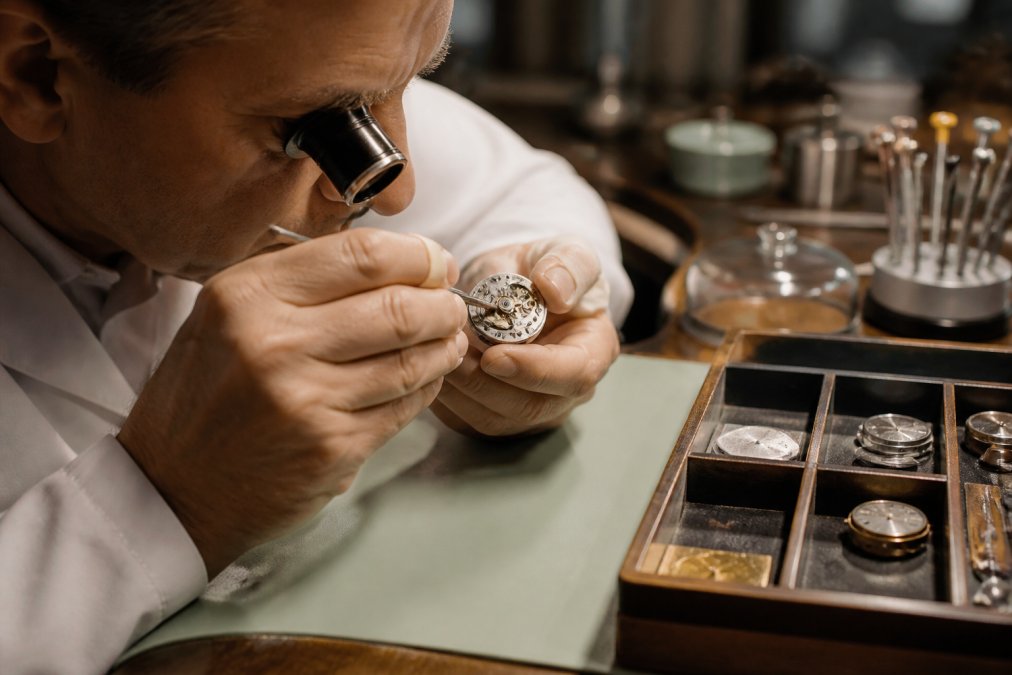
Vague sourcing language is the clearest signal that a brand isn't confident in its manufacturing claims. Phrases like "inspired by American heritage," "celebrating American watchmaking," or "American values" avoid making specific claims about where the watch is actually made. These are marketing language designed to create an impression without making verifiable statements.
Inconsistency between marketing channels is a major red flag. If a brand says "Made in USA" on their website but uses "Assembled in USA" in product descriptions, they're being strategically imprecise. Different claims in different contexts suggest they're optimizing language for different audiences rather than being straightforward about manufacturing.
Refusal to provide supply chain documentation is a critical warning. A brand that can't or won't show you where components are sourced and manufactured is hiding something. Legitimate manufacturers have this information organized because they're proud of their supply chains and have been asked before.
Pricing that seems high relative to comparable watches with transparent supply chains is suspicious. If a brand charges premium prices for "American manufacturing" but won't document their supply chain, they're likely pricing based on marketing rather than actual manufacturing costs.
Rapid changes in sourcing or manufacturing location suggest a brand is chasing cost savings rather than committed to domestic production. Established American manufacturers maintain consistent supply chains. Brands that suddenly shift manufacturing or sourcing are revealing that their earlier claims weren't foundational to their business model.
Marketing that relies heavily on nationalism or patriotic imagery without specific manufacturing claims is designed to trigger emotional responses rather than inform. Authentic American manufacturers let their supply chain transparency and craftsmanship speak for themselves.
Lack of industry recognition from rigorous publications is a softer but meaningful signal. Brands with genuine manufacturing expertise and commitment to quality get covered by publications that understand watchmaking. Brands that exist primarily through paid advertising and social media marketing often lack this kind of editorial credibility.
Verifying american made watch claims requires patience and skepticism, but it's the only way to ensure you're actually buying what you think you're buying. The brands worth supporting are the ones transparent about their supply chains from the beginning, the ones that don't need to hide where their components come from because they're proud of their manufacturing decisions.
When you're evaluating a watch, start by asking direct questions about sourcing and manufacturing. Request documentation. Check third-party coverage. Look for consistency across marketing channels. The brands that answer these questions clearly and completely are the ones you can trust. Haim Watch Company's approach to transparency, detailing exactly where components are sourced, how movements are manufactured, and where assembly occurs, represents the standard that all American watchmakers should meet. It's not the easiest path to profitability, but it's the only path to genuine credibility in an industry where claims matter more than most.
Frequently Asked Questions
What is the FTC standard for 'Made in USA' labeling on watches?
The FTC's Made in USA standard requires that a product be 'all or virtually all' made in the United States. For watches, this means the movement, case, dial, and assembly must originate domestically. If any significant component is imported, the claim must be qualified (e.g., 'Assembled in USA'). Unqualified 'Made in USA' claims without substantiation violate FTC regulations and consumer protection laws.
What is the difference between 'Assembled in USA' and 'Made in USA' for watches?
Made in USA means virtually all components and manufacturing occur domestically. Assembled in USA means the final assembly happens domestically, but components may be imported. A watch with a Swiss movement assembled in the USA cannot claim Made in USA status. Understanding this distinction is critical when evaluating American watchmaking claims, as many brands use assembly claims to market watches with imported calibers.
How do I verify a watch brand's supply chain transparency?
Request detailed documentation about movement sourcing, case manufacturing, and assembly location. Legitimate domestic producers provide specifics: which caliber is used, who manufactures it, and where final assembly occurs. Brands that avoid these details or use vague language like 'domestic quality' without proof are exhibiting transparency red flags. Check for third-party horological certifications and published supply chain information on their website.
What are common regulatory red flags in American made watch marketing?
Watch for vague claims like 'American heritage' or 'inspired by American craftsmanship' without specifics about actual production. Unqualified Made in USA claims paired with imported movements are violations. Absence of movement caliber details, refusal to disclose component origins, and marketing focused on story over specifications all signal potential misrepresentation. Genuine domestic producers lead with verifiable facts: caliber name, assembly location, and component sourcing.
This article was written using GrandRanker