

Table of Contents
- Why Titanium Watches Are Better for Professional Wear
- Titanium vs Stainless Steel Watches: Key Differences
- Professional Applications: From Dive Watches to Pilot Timepieces
- Durability and Scratch Resistance in High-Demand Environments
- How to Clean a Titanium Watch and Maintain Its Finish
- Finding the Right Titanium Watch for Your Professional Life
- Conclusion
- Frequently Asked Questions
Last Updated: September 1, 2026
Why Titanium Watches Are Better for Professional Wear
Titanium has become the material of choice for professionals who demand durability without compromise. Unlike stainless steel, titanium offers a unique combination of lightweight construction and exceptional corrosion resistance that makes it ideal for demanding work environments. Whether you're navigating high-pressure meetings, field work, or extreme conditions, a titanium watch delivers reliability while maintaining an elegant presence on your wrist.
The appeal goes beyond aesthetics. Titanium's biocompatible properties mean it won't irritate sensitive skin, making it practical for professionals who wear their watches eight hours a day or more. The material's natural resistance to corrosion means your watch will maintain its finish even in harsh conditions, salt water, chemical exposure, or constant friction against work equipment won't degrade the case like they would with traditional stainless steel.

At Haim Watch Company, we've engineered our timepieces with titanium cases that balance sophistication with real-world durability. The hand-finished titanium cases on our models showcase how this material can deliver both refined aesthetics and functional performance. Professionals choosing titanium aren't just selecting a material, they're choosing a watch that will perform as reliably as they do.
Titanium vs Stainless Steel Watches: Key Differences
The choice between titanium and stainless steel comes down to specific professional needs and priorities. Stainless steel remains the industry standard for good reason, it's affordable, widely available, and proven over decades. However, titanium solves problems that stainless steel simply cannot address.
Weight is the first dramatic difference. A titanium case weighs roughly 40-50% less than an equivalent stainless steel case, yet offers superior tensile strength (peer-reviewed research). For professionals wearing their watch constantly, this difference compounds throughout the day. Your wrist experiences less fatigue, and the watch maintains its position better during physical activity.
Corrosion resistance separates these materials fundamentally. Stainless steel requires regular maintenance to prevent oxidation and pitting, especially in saltwater or chemical-heavy environments. Titanium is naturally resistant to corrosion from seawater, chlorine, and most industrial chemicals (nist.gov). A titanium watch pulled from the ocean needs only a rinse; stainless steel in the same situation may show permanent damage.
The scratch resistance narrative is more nuanced than marketing suggests. Both materials scratch with use, that's inevitable with daily wear. The difference lies in how they handle it. Stainless steel scratches are obvious and bright against the surrounding finish. Titanium scratches blend more seamlessly into the satin finish typical of professional titanium cases, making wear less visually apparent over time.
Magnetic resistance favors titanium significantly. While stainless steel can be magnetized by proximity to strong magnetic fields, titanium is non-magnetic (peer-reviewed research). For professionals working near MRI machines, industrial electromagnets, or sensitive electronic equipment, this property matters. Your watch won't be affected by environmental magnetic interference.
| Characteristic | Titanium | Stainless Steel |
|---|---|---|
| Weight | 40-50% lighter | Heavier baseline |
| Corrosion Resistance | Excellent in saltwater/chemicals | Requires maintenance |
| Scratch Appearance | Blends into finish | Visible and bright |
| Magnetic Properties | Non-magnetic | Can be magnetized |
| Cost | Higher initial investment | More affordable |
| Patina Development | Develops character | Stays consistent |
Professional Applications: From Dive Watches to Pilot Timepieces
Titanium's adoption in professional watches isn't accidental. Military and professional organizations specified titanium because it performs where other materials fail. Understanding these real-world applications clarifies why titanium matters for your professional life.
Dive watches represent the most demanding professional application. Deep-water work exposes watches to extreme pressure, saltwater corrosion, and mechanical stress. Titanium cases maintain their integrity at depths where stainless steel would pit and degrade. The material's corrosion resistance means a dive watch that performs as reliably at 300 meters as it does at the surface. Professional divers and underwater technicians depend on this reliability, their watches must function when mistakes cost lives.
Pilot watches demand different properties but benefit equally from titanium. Aircraft cockpits expose watches to temperature extremes, magnetic fields from avionics, and the constant vibration of flight operations. Titanium's non-magnetic properties protect the watch's movement from instrument interference. The lightweight construction means less wrist fatigue during long flights, and the durability handles the daily wear of professional aviation.
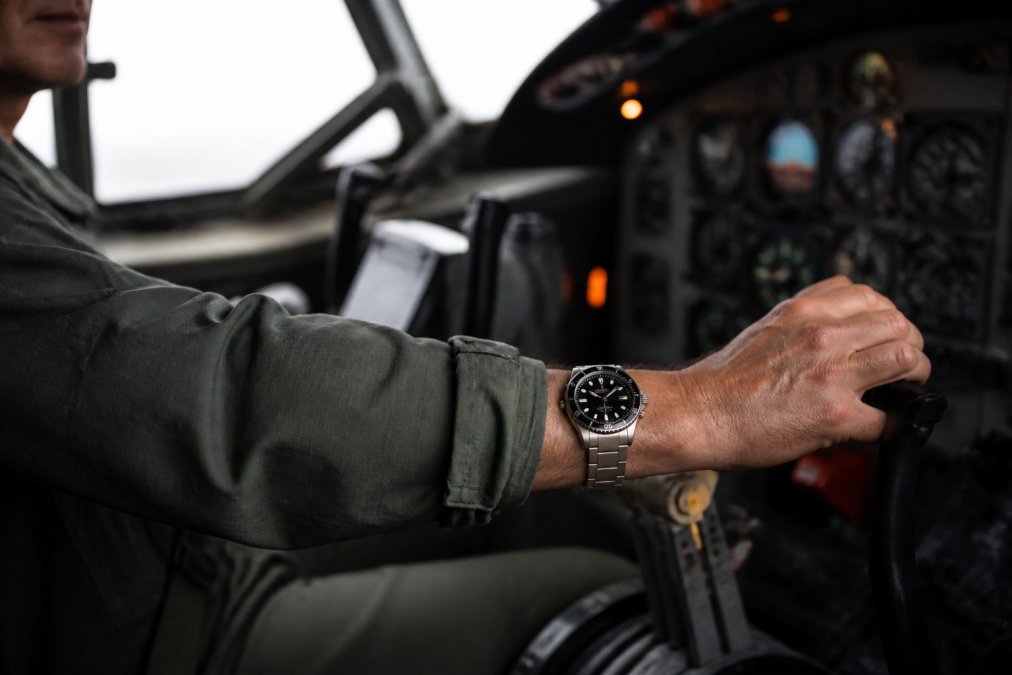
Field professionals, geologists, engineers, emergency responders, choose titanium for its combination of durability and comfort. These professionals work in variable conditions: dust, mud, chemical exposure, temperature swings. A titanium watch handles these environments without requiring special care. The reduced weight means it doesn't become a burden during physically demanding work.
Medical professionals benefit from titanium's biocompatible properties. Surgeons and hospital staff wear watches for extended periods in sterile environments. Titanium's hypoallergenic nature prevents skin irritation, and its resistance to cleaning solutions and sterilization processes means the watch maintains its finish through thousands of cleaning cycles.
The common thread across these applications: titanium performs when performance matters most.
Durability and Scratch Resistance in High-Demand Environments
Professional watches face constant contact with equipment, tools, and rough surfaces. How a watch handles this abuse separates reliable timepieces from those that deteriorate visibly within months.
Titanium's hardness is often misunderstood. The material itself is softer than stainless steel, meaning it scratches more easily under direct contact. However, this apparent weakness becomes an advantage in professional settings. When titanium scratches, the damage blends into the surrounding satin-finished surface. A watch worn by a construction worker or field engineer shows wear, but the wear pattern enhances rather than detracts from the aesthetic. The watch looks like it's been used for its intended purpose.
Stainless steel scratches stand out harshly. Every contact with a tool, every accidental bump against a desk corner leaves a bright line against the brushed surface. Professional watches in stainless steel require regular polishing to maintain appearance, an impractical requirement for someone actually using their watch in demanding work.
The case construction matters more than material alone. A well-designed titanium case with reinforced lugs and properly finished edges resists damage better than a poorly finished stainless steel alternative. The bezel, that rotating ring on dive watches and pilot watches, takes tremendous abuse. Titanium bezels with proper knurling maintain their grip and function after years of daily use.
Water resistance compounds durability. A titanium watch with 300 meters of water resistance can survive splash exposure, sweat, and brief submersion without concern. The case-back seal and crown design matter more than the material, but titanium's corrosion resistance ensures that internal mechanisms remain protected even if water somehow breaches the case.
How to Clean a Titanium Watch and Maintain Its Finish
Proper maintenance extends the life of any watch, but titanium's low-maintenance nature makes care straightforward. Understanding the correct approach prevents unintended damage while preserving the watch's appearance. durable jewelry materials.
Fresh water and mild soap are your primary tools. After saltwater exposure or heavy use, rinse your titanium watch under lukewarm running water with a soft cloth and a drop of dish soap. Gently clean the case, bezel, and bracelet, avoid harsh scrubbing that can damage the finish. Rinse thoroughly to remove all soap residue, then dry with a soft microfiber cloth.
The satin finish typical of professional titanium watches requires different care than polished steel. Never use polishing compounds designed for stainless steel, these can damage the titanium finish. If you want to maintain the original satin appearance, occasional gentle cleaning with a soft cloth is sufficient. The natural patina that develops adds character rather than detracting from the watch.
For more thorough cleaning, use a soft-bristled toothbrush to clean around the bracelet links and bezel edges where dirt accumulates. The same lukewarm soapy water works perfectly. Pay special attention to the crown and case-back, where moisture can accumulate if not properly dried.
Avoid these common mistakes: harsh chemicals like bleach or acetone will damage the titanium finish, ultrasonic cleaners can loosen seals if the watch isn't specifically designed for this cleaning method, and compressed air can force moisture into sealed areas rather than removing them.
The deployment clasp on titanium bracelets requires occasional attention. Clean the clasp mechanism with your soft brush and soapy water, ensuring no salt or debris remains. A properly maintained clasp will function smoothly for years.
Finding the Right Titanium Watch for Your Professional Life
Selecting a titanium watch requires matching the watch's capabilities to your actual professional demands. A watch perfect for an office environment may fail for field work, and vice versa.
Start with water resistance specifications. If your work involves water exposure, whether saltwater diving, field work near water, or frequent handwashing, you need a minimum of 100 meters of water resistance. For professional diving or underwater work, 300 meters becomes the baseline. For office professionals, 50 meters of water resistance handles daily life comfortably.
Movement type matters more than many realize. Automatic movements, where the watch winds itself through wrist motion, require regular wear and occasional manual winding if the watch sits unused for days. Mechanical movements with manual winding give you complete control over the watch's operation. Spring drive movements, like those in some premium timepieces, offer the reliability of mechanical watches with the accuracy of quartz. For professionals with irregular schedules, quartz movements provide consistent timekeeping without maintenance concerns.
Case diameter and lug-to-lug measurement determine how the watch sits on your wrist. A 42mm case diameter might dominate a smaller wrist, creating an awkward appearance that undermines the professional aesthetic you're cultivating. Conversely, a 36mm case might feel insufficient on a larger wrist. Lug-to-lug measurement, the distance from one lug to the other, determines whether the watch will fit your wrist comfortably. A watch with short lugs might rattle on a larger wrist, while long lugs can overhang a smaller wrist uncomfortably.
Power reserve, how long the watch runs without winding or wearing, affects daily usability. A 40-hour power reserve means you can remove the watch for a night and it will still be running the next morning. Higher power reserves provide more flexibility for professionals with variable schedules.
The dial design and hour markers influence readability in different lighting conditions. Luminous hands and markers matter if you work in dim environments or need to read your watch quickly during meetings. Ornate dial designs, like those featuring hand-finished details and custom-engineered aesthetics, add visual interest while maintaining professional legitimacy.
At Haim Watch Company, our approach to titanium watches emphasizes this balance. The Viajero SE combines Swiss-made precision with titanium construction suited for travel and professional environments. The Legacy Automatic, with 100% US assembly and movement, delivers the reliability professionals demand with the sophisticated design aesthetic that commands respect in any setting.
Bracelet construction affects comfort during extended wear. Solid titanium bracelets feel lighter than stainless alternatives but maintain structural integrity. The clasp type, whether a traditional pin buckle or modern deployment clasp, influences how securely the watch stays on your wrist during active work.
Consider your aesthetic preferences honestly. A watch you love wearing will become part of your professional identity. Whether you prefer the refined simplicity of minimalist dials or the visual richness of ornate decoration, the best titanium watch for professionals is one you'll actually wear every day.
Conclusion
Titanium watches represent a fundamental shift in how professionals approach timekeeping. The material's combination of lightweight construction, corrosion resistance, and hypoallergenic properties addresses real challenges that stainless steel cannot solve. Whether you work in demanding environments or simply want a watch that performs as reliably as you do, titanium delivers.
The right titanium watch becomes more than an accessory, it becomes a tool that supports your professional life. Haim Watch Company's titanium timepieces, from the Swiss-made Viajero SE to the 100% US-assembled Legacy Automatic with custom-engineered calibers, combine the durability titanium provides with the sophisticated design and hand-finished craftsmanship that mark a truly professional watch. Shop Now and discover how the right timepiece can elevate your professional presence.
Frequently Asked Questions
Q: Why are titanium watches better for professionals than stainless steel?
A: Titanium watches offer superior lightweight comfort for all-day wear, exceptional corrosion resistance in demanding environments, and hypoallergenic properties that prevent skin irritation. Unlike stainless steel, titanium resists saltwater and chemical exposure without sacrificing durability. The material's tensile strength means your watch endures professional wear while remaining comfortable enough to forget you're wearing it, a critical advantage in high-stakes environments where focus matters.
Q: What's the difference between Grade 5 titanium and other titanium grades used in watches?
A: Grade 5 titanium (Ti-6Al-4V) is a common choice for professional watches due to its superior tensile strength and biocompatibility. It resists corrosion better than lower grades and maintains structural integrity under extreme conditions. Many professional-grade dive watches and pilot watches use Grade 5 because it balances hardness with workability, allowing watchmakers to create precise cases and bezels without compromising performance or finish quality.
Q: How often should I clean my titanium watch, and what's the best method?
A: Clean your titanium watch every 2-4 weeks with warm soapy water and a soft brush, paying attention to the bezel, case back, and deployment clasp where debris accumulates. For stubborn residue, use a microfiber cloth slightly dampened with water. Avoid harsh chemicals or ultrasonic cleaners unless your watch is rated for them. Titanium's natural corrosion resistance means regular gentle cleaning maintains its finish without requiring special products or professional servicing.
Q: Will a titanium watch feel out of place in a casual professional setting?
A: Titanium watches work beautifully across all professional contexts, from formal business to casual tech environments. Hand-finished titanium cases develop subtle patina over time, creating a refined aesthetic that reads as sophisticated rather than formal. The material's lightweight nature and refined case designs make titanium timepieces equally at home in a boardroom or at a workbench. Many professionals choose titanium specifically because it bridges formal and casual wear without compromise.
This article was written using GrandRanker